2020: Letters from Lesotho #2

2020: Letters from Lesotho #2

Lumelang,

It was the best gift ever! The weekend of February 14-16 we hosted our first Alumni Reunion. I have been excited for this occasion for over a year.

When Help Lesotho was first started, the overarching objective was to create a critical mass of well trained, knowledgeable, and committed youth as agents of change to foster a healthy, HIV-free and gender-equal society. This is the goal we strive for every day. We train youth about their rights and their responsibilities. We support schools, police officers, teachers and grannies so that they can support the youth. Since 2004, we have had over 40,000 graduates from our intensive programs – definitely achieving that critical mass we dreamed of. These young people are the reason I am here in Lesotho and why Shadrack (our Country Director) and our amazing staff in both countries always work above and beyond. They are our hope for real change in Lesotho.

Looking back, I also cannot help but mention that without the incredible support and trust from Laurence Graff and Sandra and Paul Hellyer, this kind of scale would never have been possible.

It is now our role to connect, encourage, motivate and focus these graduates for social change. This is a key priority in our 2019-2022 Strategic Plan and a constant on my mind. That said, it has been a struggle to stay in touch with our alumni as the youth move, change their phone numbers, have no money for data, become disengaged and depressed without support or jobs, etc. The efforts we have made to date to engage them have not been successful.

You may well have heard about the current political challenges in Lesotho, which are deeply disturbing and only serve to deepen our commitment to our beneficiaries. They need us more than ever and the country needs these stable, smart youth as voters and responsible citizens to lead the country forward. [Note – Help Lesotho’s work is not directly impacted by the political turmoil.]

In November of 2018, one of our child sponsorship alumni, Mamokete Rasethunts’a, a 2015 high school graduate (thanks to her sponsor, Jennifer North for making that possible!), reached out to me. Despite all the almost insurmountable challenges this young woman has faced – to survive an abusive childhood, save her sister from forced marriage, grow up with no family support, get an education, pay for her university fees – she was determined to thank Help Lesotho for the chance to grow up, to develop her potential, and to make a difference. The gist of her communication was:

‘M’e Peg, I want you to know that I am brave. I can stand up and speak out against gender based violence. Help Lesotho has made my life and opened the gate of new hope to me and human kind at large. It is a blessing –  an angel that was sent to raise the poor kids, mentally, physically, emotionally and spiritually. You cared for our wellbeing. I have been passionately trying to find a way to have an alumni reunion to thank you and Help Lesotho. As I write, we have gathered so many of us and told them about my dream. They love it they know how emotional I am when we talk of HL. I have never organized anything but if you will help me, I know that all your children will want to return to thank you and to share what Help Lesotho has done in our lives. … really – where would we be now otherwise????

I am so happy. I can’t wait to see you in real. May God bless you. At this reunion, you will know how much Help Lesotho has done in my country.

Mamokete


To make a 15-month story short, Mamokete and several of her fellow alumni friends worked with Kate, Shadrack, and ‘M’e Felleng to plan a reunion weekend and rally our alumni by every means possible: posters, WhatsApp groups, social media, word of mouth, texts and more. Alumni came from all over the country. Dozens slept over the two nights – a fabulous pajama party!

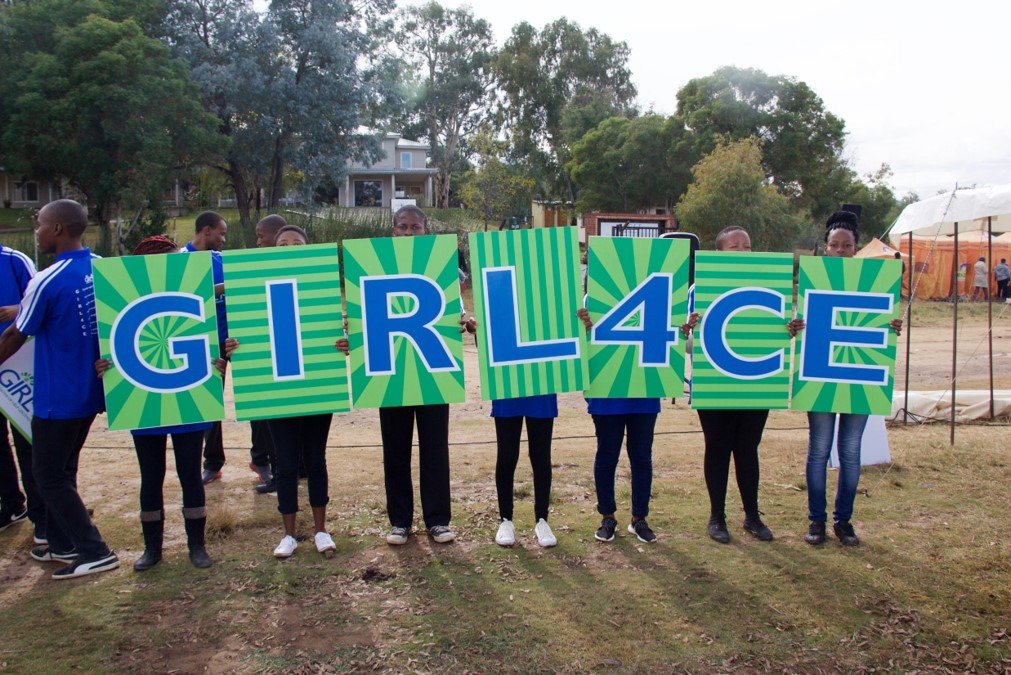
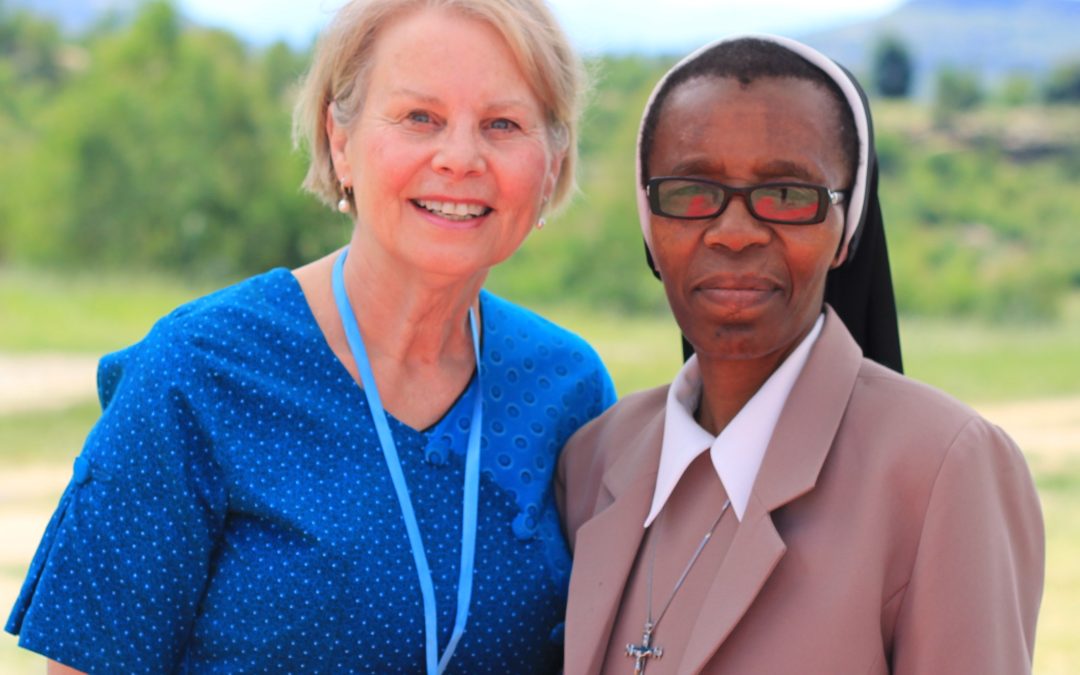
Our three large tents sheltered us from the beating 30-degree Celsius sun during the three-hour ceremony. The Centre property looked every bit the gorgeous sanctuary it was intended to be. Everything was perfect. We estimate between 200-250 participants were in attendance. The speeches were wonderful – a welcome from Ntate Shadrack, ‘M’e Maseretse represented former staff, ‘M’e Mampaka, Mamokete, Lintle Mathosi, Sr. Alice, and me. Three young men performed songs and poems. There was a band and a GIRL4ce performance. It was so emotional. I left like I was at my own funeral hearing the eulogies! Check out this video to see and hear a few special moments from the event.

The agenda was planned and executed by Mamokete and her friends. As I listened to each one, I so wished our donors could be there to witness the impact their support has made. It was touching and meaningful. One highlight was the speech from Likeleli Lekhanya, who was sponsored by Winifred Koneri to graduate from Paray High School in Thaba Tseka in 2016. Eighteen months ago, while at university, she took a taxi home with some friends. Tragically, her vehicle got caught in firearms crossfire. An errant bullet lodged in her spine. Paralyzed from the waist down, she endured weeks of hospitalization followed by depression and anxiety about her future. The doctors said she would never walk again. In front of her peers, she shared the painful journey from absolute despair to a return to hope and sense of purpose. She told us that the training she had received from our camps and sponsorship guided her back to a new understanding of our mantra: LEADERS NEVER GIVE UP!

Likeleli mastered her wheelchair, returned to school and is now a motivational speaker. A generous benefactor is paying for her to travel to Japan to get spinal surgery to capitalize on the slight movement that remains in one leg. This beautiful young woman challenged the audience to realize that if she can do this, they can too. It was a remarkable speech, inspiring to us all. I was so proud of her.

Our event was taped and broadcast on national radio and TV. The speeches and presentations were followed by gifts and a lovely lunch. At lunch, the TV producer told me that this is what her own teenagers need to be part of! We all spent the afternoon visiting, taking selfies with old friends, laughing and reflecting. Not a dry-eye or unaffected heart. Mamokete and I spent almost two hours popping corn for those who stayed the night on Saturday. It was so much fun. I loved seeing them so happy. I loved seeing so many young people I have helped to raise and am so fond and proud of.


The participants launched our new Alumni Room in the Centre, a special place to visit, network and access computers to research, apply for jobs/scholarships/schools and write CVs. We will have an alumni corner in our Pitseng Centre and Maseru Office as well. We are determined to keep these young people close to us and each other. When the next election is called here, and I prophecy it will be soon, we are ready to launch an initiative to mobilize youth to vote and provide education on how to choose a candidate.

In other news, we have partnered with Habitat for Humanity to build five two-roomed houses and 17 pit latrines for vulnerable households from our grandmother program in Berea. What a blessing!

In closing, let me emphasize that the speeches and conversations at our wonderful event included you! All the youth and former/present staff mentioned their appreciation for each person who has contributed to this massive group of young people who are the hope of this struggling nation. Without you, none of this could have happened.

I send the thanks of all who are here, all who wanted to be but could not, and all those who are better people because you cared.

Fondly,

Peg

P.S. If you would like a copy of our Strategic Plan, please let us know by contacting info@helplesotho.org
I want to support more alumni like Mamokete and Likeleli!

Read Letter #1
Read Letter #3

2020: Letters from Lesotho #1

2020: Letters from Lesotho #1

Greetings,

As my flight touched down in Lesotho at the end of January, I was, as ever, anxious to assess the rain situation,  after hearing about the devastating impacts of the ninth year of drought in the region. In practical terms, this means that there is such a long period without rain that people have no water and crops cannot be planted or come to maturity. Even when the rains do come, they are not sufficient to grow food for the needs of the population. This past December, the World Food Program reported that 70% of people in Lesotho would need food assistance to survive 2020 because of the lack of rain. Climate change is affecting all of us and in Lesotho, the rains are coming later every year. September-October is the spring planting season. The lack of rain parched the depleted soil to the extent that it was useless to plant. The first rains only came after Christmas. Vegetables were planted but it was too late to plant maize – the nation’s staple food. For those interested, this is the most recent report.

I could see the greening out the plane window and felt some sense of relief. At least there was enough precipitation for the trees and grasses to grow – and once again abate the erosion so threatening to Lesotho’s precious soil. After a two hour drive I arrived at our Hlotse Leadership Centre, which is looking beautiful! I was thrilled to see that the flowers planted as camouflage on our rather unattractive concrete block retaining walls have finally filled in after ten years!

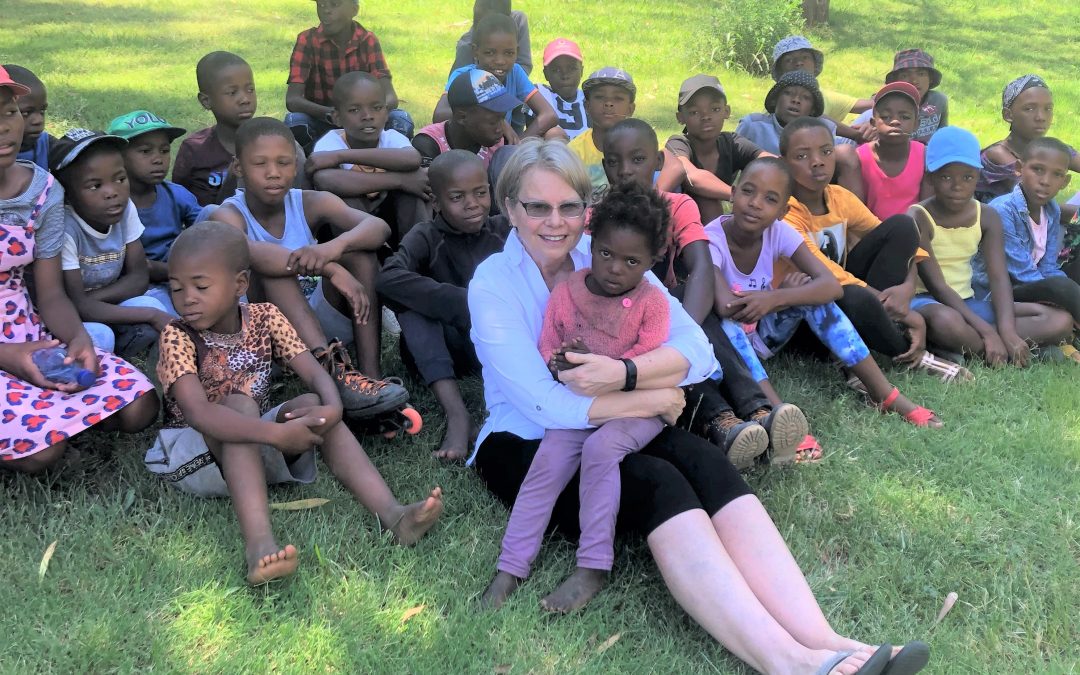
It was delightful to be so warmly greeted by the staff. When I woke up in the morning, the children at the Centre were anxious to chat – despite my groggy, jet-lagged state! At first, there are only the small boys – girls must stay home to do the chores, sweep, fetch water, etc., only free to join the activities around noon. I loved their questions: How many hotels do we have in Canada? Is my home as big as the Centre? Are there wild animals in Canada? Does Canada have water? Are there fish in the rivers? …. and the inevitable question – Why did I start Help Lesotho? When one young lad realized Canada went up to the north pole, he earnestly asked me if that is indeed where all the presents are made!

This Centre is their second home where they are always welcome, treated as smart, thriving young leaders, and where their feelings truly matter.

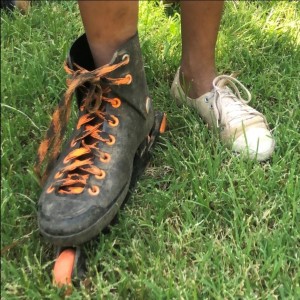
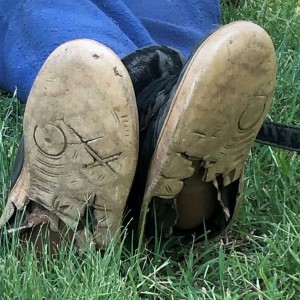
I tried to imagine how one sweet young boy had found a single roller blade and somehow managed to ‘roll’ it along on these uneven, potted, stoney roads! Another walked so far to be here with almost no soles left on his shoes.

It is our practice to hold a two-day staff meeting upon my arrival. The first day we dress up. The second day, all wear their Help Lesotho staff golf shirts – looking very smart. I share how we raise funds in Canada, the results of our annual audit, strategies for skill development, and messages from donors and staff. The staff share their impact reports on their last quarter activities. Since July, we have reached over 10,000 people. Our Herd Boy Program received such accolades that one herd boy, Lebohang, and Ntate Sello, our Grant Implementation and Impact Manager, were invited to Berlin to present at the 30th Anniversary International Celebration of the Convention of the Rights of the Child for nine days in November.

What an extraordinary challenge/experience for Lebohang – from the isolated mountains of Lesotho – to flying in planes, sleeping in hotels, getting on the bus at the airport in Berlin, sitting in a car with a dog, seeing people kissing on the street, and so much more. A handsome young man with a fascinating story, our Lebohang attracted a lot of attention. I look forward to meeting him when I go up to the mountains in a few weeks.

We listened to a report about our Country Director, Shadrack Mutembei, and our Senior Capacity Development Officer, ‘M’e Felleng’s, presentation at the Southern Africa Regional Conference on Prevention of Violence Against Women and Girls on December 4-5 in Johannesburg about our Herd Boy Program as a unique example of success in involving marginalized boys in gender equity programs.
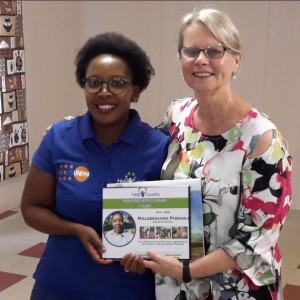
The staff sang so beautifully and gave me a thoughtful late birthday celebration and cake. We commemorated our senior accountant, ‘M’e Nthabeleng Posholi’s 5 years of faithful service to Help Lesotho. It is special to be together again and share our work.

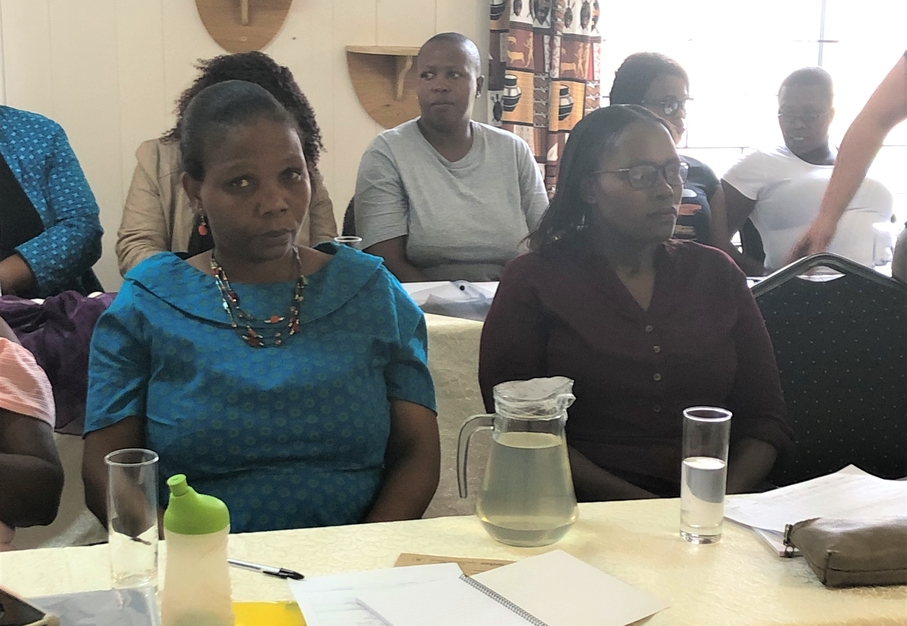
There is a great deal to look forward to in the next couple of months. I will meet with staff individually, with my friend and co-conspirator, Sr. Alice Mputsoe, with old friends and partners and with the former St. Mary’s Girls – a six-year project, started in 2004, to educate girls sponsored by St. Bartholomew’s Anglican Church in Ottawa. We are busy preparing for our first Alumni Reunion this week, initiated and planned by our graduates themselves. We are expecting around 150 people. I can’t wait to see them – some I have not seen for ten years.

Thank you for reading along and accompanying me on this journey. We will catch up more in Letter #2. As I close, I want to thank those who collected the eye glasses I brought in my suitcase for our grannies– such a gift!

Best wishes to each one,

Peg

PS: It is a huge help if you share these letters with your colleagues, friends and families. We do not spend any money on advertising. Word-of-mouth is the most effective way for us to grow and share our impact. Many people do want to support work such as ours but they are unsure which organizations actually use the funds as they claim. This year, 91% of our revenue was spent on programs. Your recommendation and advocacy are needed to help sustain this work!

PPS: For those interested, this link takes you to a faith-based podcast I did with two Anglican priests in London, Ontario just before leaving Canada.


Read Letter #2

Letter from Rethabile

Letter from Rethabile

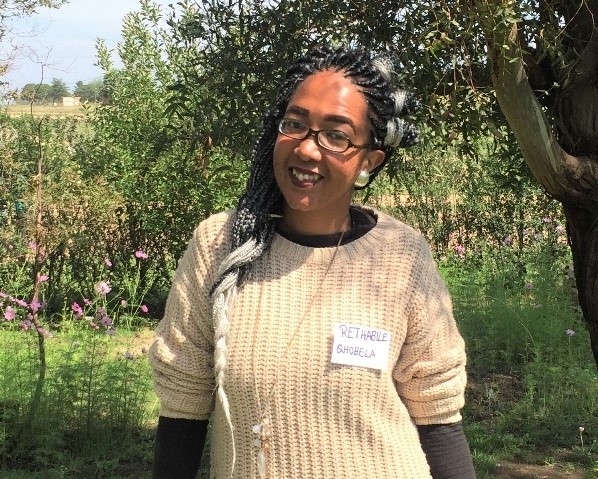
Hello, my name is Rethabile. I am a Mosotho girl aged 28 years. I never had a father and I lost my mother to cancer when I was 13 years old. I was fortunate enough to be raised by my lovely grandparents who sacrificed a lot just so I can finish my studies.

When I was in high school I started taking alcohol to make myself feel better, then life after writing my exams humbled me. I applied to several schools but I was only admitted to one school. As I did not get a scholarship, I had to stay at home the whole year. I used my talent to braid people’s hair to save money to apply for schools again the following year.

I was admitted at Lesotho College of Education toward a Diploma in Education Secondary, majoring in English and Geography. At this point I realized that I had to work hard at school and pass because should fail I was going to lose my sponsorship and nobody was going to pay for me. All I ever wanted was to change my grandparents’ life for the better. Yet, after graduation came unemployment and I started to lose hope again. I had suicidal thoughts because of staying at home with nothing to do, when a friend introduced me to Help Lesotho programs of which I will forever be grateful because it changed my life for the better.

When I first started my lessons at Help Lesotho (Computer and Life Skills 2018) I thought of it as passing the time. I did not have an idea that the way I looked at life was going to change in a positive way. Although the sessions we had on Life Skills were short, they were helpful in a way because they left me so curious that I applied for Leaders-in-Training Program in February 2019. The lesson on self-esteem made me realize that I do not have control over what other people think of me. I realized that if I loved myself enough what other people think of me wouldn’t matter. I reflected on how I almost ruined my future by neglecting school because of what I couldn’t change and had no control over.

Everyday spent at Help Lesotho healed me, I stopped being angry at life in general, people who hurt me, my dad who was never part of my life, and my mother’s death. I got to realize the things I did to other people that hurt them unaware that I was hurting them.

The ability to heal, to recover or bounce back from a difficult situation is the best remedy in the world. It helped me become the best decision maker. I am able to help people and learn from them. I dealt with my fears.

In the past I used to confuse being abused with being loved. I have been in a very toxic relationship unaware that I was being abused. The only time I noticed was went the pain was inflicted physically. I was in a relationship whereby it was a crime to make a mistake. I had no problem with that until I attended Help Lesotho’s sessions and was taught about healthy and unhealthy relationships. Now I am able to speak my mind, am able to see when I am being abused physically, emotionally, and mentally.

My life has changed for the better and I am a new person that my community is proud to have around because through me they know that Help Lesotho exists, my neighbors are part of the programs and their lives are improving.

Recap of UNICEF Project Year 1 2018-19

Recap of UNICEF Project Year 1 2018-19

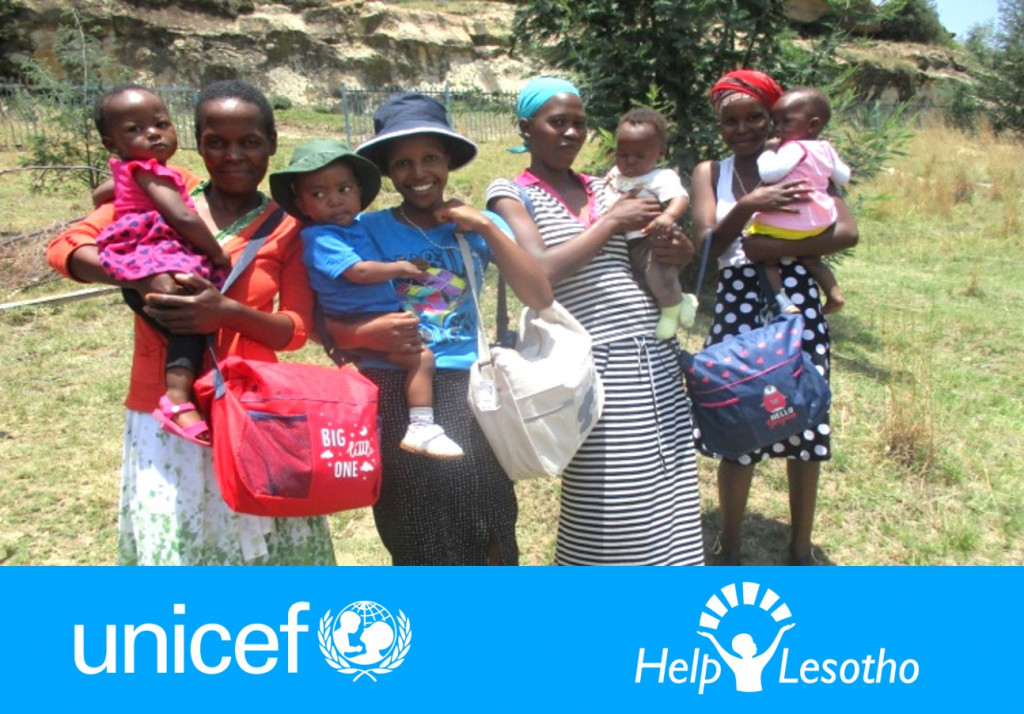
Young mothers holding infants in Lesotho

Empowering Young Mothers in Rural Lesotho

Overview: In 2018-2019, UNICEF funded a Help Lesotho project to reach 150 young mothers in rural Lesotho (Butha Buthe and Thaba Tseka). This is the first year of a three year funding commitment.

Problem: A major obstacle in Lesotho is the low demand among adolescents to access Sexual and Reproductive Health(SRH)/HIV services—especially amongst pregnant girls and young women.

Objective: UNICEF and Help Lesotho are supporting the Ministry of Health to increase the knowledge and change the attitudes of 150 adolescent mothers (age 15-24) in Butha Buthe and Thaba-Tseka districts. The intervention will contribute to generate demand of SRH/HIV services and increase access to health and social services.

M&E Framework and Indicators:
A monthly Well-being Checklist covered the following areas:

  • Health: Access to health care services, testing for HIV, Knowledge about HIV/AIDS, child immunization, exclusive breastfeeding, pre-natal and post natal care, contraceptives and condom use, and knowledge about SRH;
  • Psychological Support: Depression and anxiety, stress, grief and loss, anger and conflict management, communication skills, healthy relationships with family members and partners, quality time with children and support network;
  • Education: Right and opportunities to education, early childhood education, child stimulation;
  • Food and Nutrition: Nutritional needs for reproductive women, and infant and young child feeding;
  • Protection: Rights to protection against abuse and violence, birth certificates, IDs, baby birth certificates; and
  • Economic Strengthening: Skills on income generating activities (IGAs), and generating own income.

Year One Key Achievements:

  • 150 young mothers trained on life skills, sexual and reproductive health, gender-based violence, and HIV education;
  • 15 peer support networks established in rural communities;
  • + 40% in partner testing;
  • + 60% in YMs consistently accessing condoms;
  • + 49% in YMs received antenatal care within the last 30 days;
  • + 35% in YMs coping ‘’a lot’’ with depression and anxiety;
  • + 39% in YMs feeding children with enough  protein, vegetables and fruits 1-2X/day; and
  • + 46% in YMs generating income (more than R100 per week).

“I visited my boyfriend who stays in Sehong Hong three years ago. When It was time for me to return home he refused and told me that I am married to him. I wanted to continue schooling but my boyfriend refused stating that I had to concentrate on household chores, shortly I got pregnant and the man who used to be caring began to physically abuse me, accusing me for having extra marital affairs with other village men. I reported the ill-treatment to my mother who advised me to go back home. Life was very difficult for me, I could hardly meet the daily needs for myself and my daughter who is now two years old. The training, support and starter pack I received from Help Lesotho and my peers helped me a lot, for the past three months I made approximately M400 profit and was able to re-stock. I am very glad because I managed to register to go back to school next year. I used the money I generated from the starter pack to pay registration fees and I can be in a position to buy food and to take myself and my child to hospital when we are sick.”

International Day of the Girl 2019

International Day of the Girl 2019


UNICEF has declared the theme for the 2019 International Day of the Girl to be ‘Girlforce: Unscripted and Unstoppable’. On a day intended to celebrate achievements made by girls around the world in their fight to have their voices heard and their rights respected, Help Lesotho’s ‘GIRL4ce’ program could not be a better fit to exemplify on this occasion.

Four years ago, Help Lesotho collaborated with a group of 25 youth from rural communities. The youth were challenged to create an edu-tainment program (an educational program delivered through various means of entertainment) to raise awareness about two of the biggest issues facing girls in Lesotho (and in many low-income countries around the world) – gender-based violence and child-early-and-forced marriage. Both of these practices rob girls of their futures by taking away their decision making power (girls are often forced to abandon their education and dreams of employment), harming their health (e.g. early pregnancy and HIV-transmission), and perpetuating the cycle of violence and poverty.

With great deliberation and extraordinary passion, the youth were soon ready to start performing their edu-tainment program aptly called ‘GIRL4ce’. The group wrote powerful songs, moving poems and a drama that quickly became their signature performance. This drama takes the audience on a journey that follows a young high school girl who is forced to quit school to marry a man of her parents’ choosing. The performers end the drama by revisiting all the roles represented in the play and what they could have done differently to act responsibly to protect the young girl. Her teacher could have spoken up. Her parents could have valued her education and her opinions. The young man could have found a woman who wanted to be with him. Community members could have defended the girl’s right to refuse early marriage. Although funny at times, by the end almost all audience members are brought to tears. For far too many people, the drama hits very close to home.

One young man, Mokoena, who is a GIRL4ce performer said,


“I joined the GIRL4ce movement and it totally changed my mindset towards women and girls. I started being proud to stand against the violence they face and be an advocate to proudly speak for their rights and support them in raising their voices. I learned that everyone who sees an abuse but fail to report is an abuser too.”

GIRL4ce has performed for over 15,000 students, villagers and government members. Its members remain passionate about using their performances to raise awareness about these important issues in rural Lesotho communities. GIRL4ce is delivering messages that literally save the lives and futures of hundreds of vulnerable girls – to community members who are largely unaware that normalizing these practices causes such harm. Performances and discussions they lead to afterward squarely place the responsibility to stop these practices on individuals and communities themselves. The take-home message is clear – if you are not part of the solution, you are part of the problem!

GIRL4ce is indeed a Girlforce, and they are unstoppable!

Peg’s Letters from Lesotho 2019: #6

Peg’s Letters from Lesotho 2019: #6

Lumelang,

Fall is closing in upon us here (remember, Lesotho is in the southern hemisphere!). Nights grow colder; mornings and evenings are fresh. Anticipation of the bitterness of winter peppers conversations. In this final letter from my season in Lesotho, there is so much to share with you.

Bidding farewell to our second group of donors was rather sad. Their thoughtful, fulfilling conversations on international development and our programs will be missed. Although from different locations, each arrived with a special connection to Lesotho. They were lots of fun and a pleasure to watch in their delight at learning and engaging with our beneficiaries and staff.

One consistent highlight was the hour horse ride up the mountain to Majara Primary School. Thankfully, teachers have returned to school across the country after the teacher strike. The government has committed to finding a resolution so we are hopeful that the schools will remain open for the duration of the school year.

The little children put on various activities for us, including the traditional ‘Mohebo’ women’s dance. As they performed, my attention was captivated by an adolescent girl sitting up on the hill mimicking each movement and mouthing the words to the music. I wondered if she had been one of the girls in this dance when she was in primary school. I imagine that she didn’t have the school fees to enroll in high school…or at least not the funds to pay for accommodation because the nearest school is three hours away. She knew the dances, but now she has nowhere to dance.

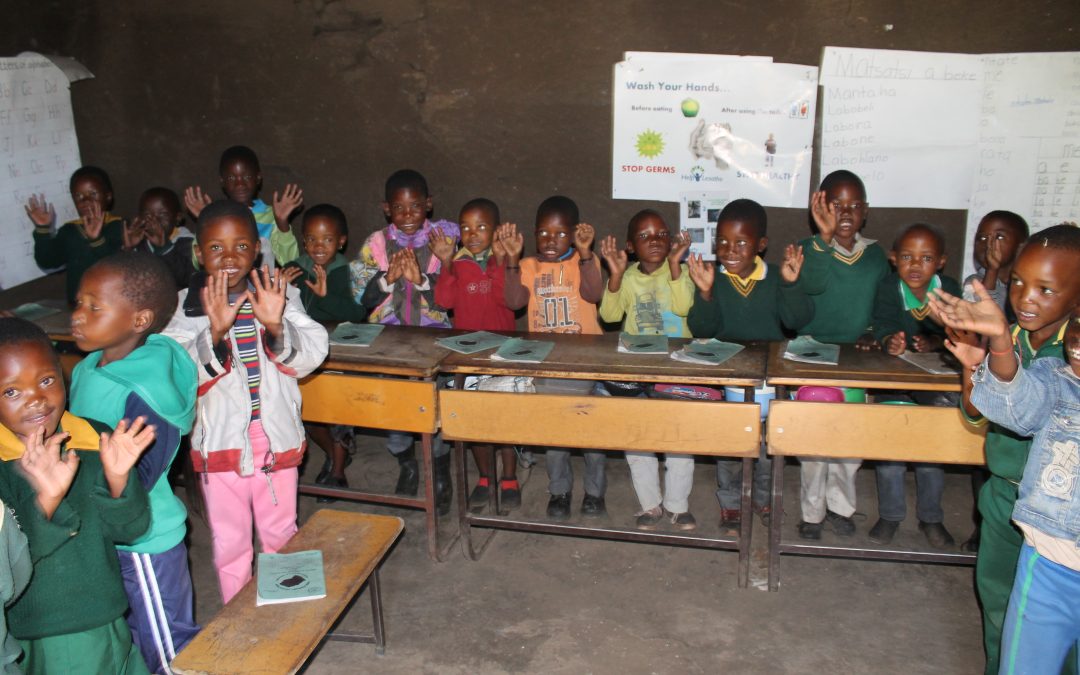
I was taken aback when the children performed a short play about how Help Lesotho started. One little girl played the role of me as a professor – in very high heels and a fancy printed dress. Her four students introduced themselves – one from China, one from India, one from somewhere else and one from Lesotho – Sister Alice Mputsoe. No Canadian students! In the drama, I asked Sr. Alice if I could come and visit her country! We have almost completed fundraising to build two new classrooms for the school – they are in dire need. Thanks to a few generous donors, we are only $5,000 from our goal of $35,000. This new building will replace the horrible, draconian classrooms these dear children try so hard to learn in. In the worst one, 47 children cram into the dark and damp little room.

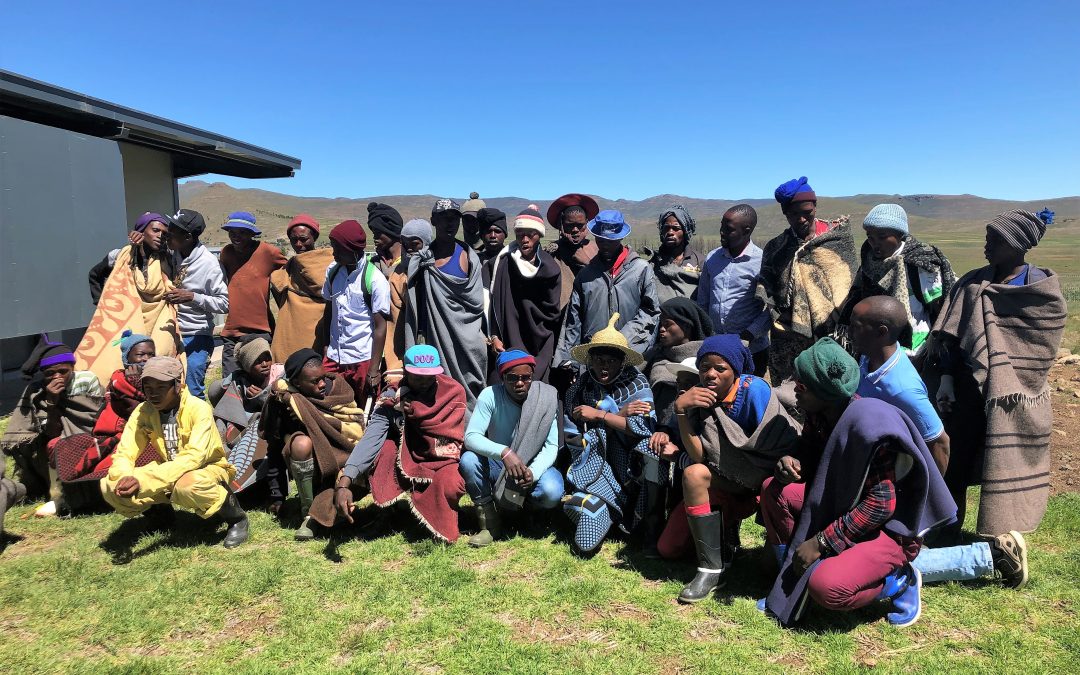
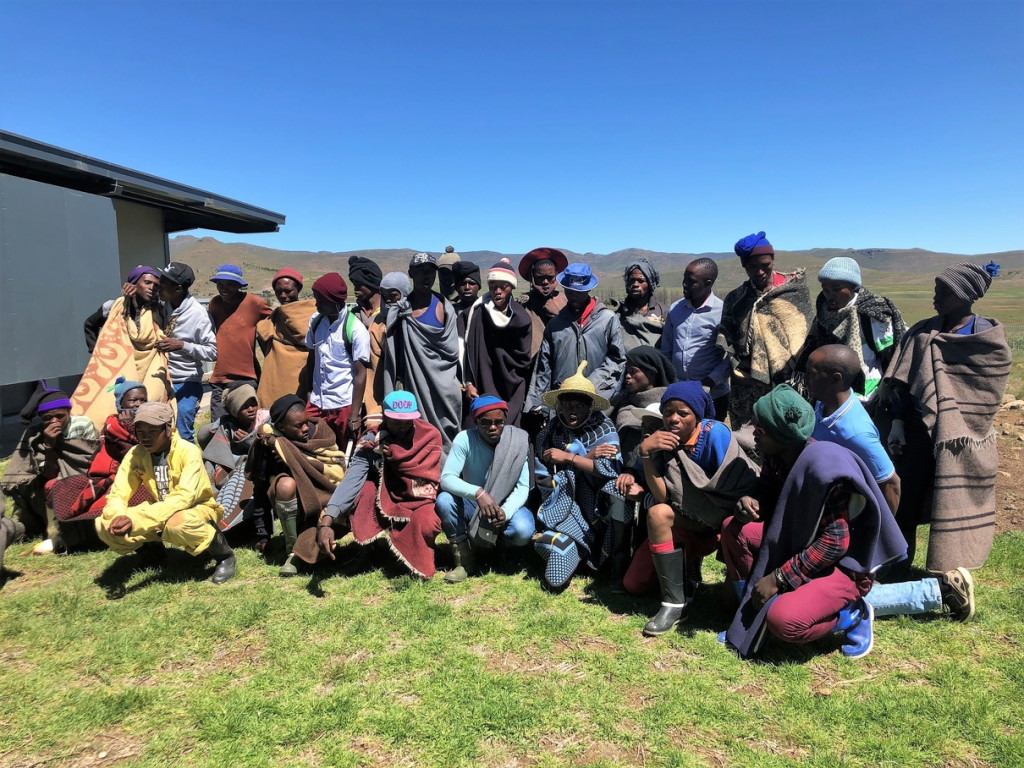
A highlight for all was our visit to the herd boys. In a recent mapping we did, we found that 10% of the population of this entire district is herd boys! It is beyond touching to see these boys and young men open up and feel ‘seen’ in the world. They were incredulous when I told them that it is a woman who has paid for their program. For boys who have never known the tenderness of a mother’s love, this seemed profoundly meaningful and many eyes filled with tears.

Six months ago, we asked them if they would like a hygiene kit – soap, underwear and the like. They refused, firmly believing that if they were too clean, their employers would think they were not doing their jobs. Now, after the training and their new role as peer educators and communicators with local leaders, they had a change of heart. One boy tentatively enquired if they could have soap – now that they were meeting the community and were of importance.  When asked if they wanted some laundry soap, toothbrushes and toothpaste, the room burst out in cheers! Imagine youth being excited about soap! With encouragement, another said: “Even though we are only herd boys, could we have a ball so we could have some fun”. ‘M’e Sheryl’s mother had given her some money to meet just such a need so we committed to go directly to the warehouse and purchase three soccer balls and the rest of the supplies. I cannot tell you how happy it made us all that we could just say YES and let those boys have a few basics to feel clean and special. None of us will ever forget.

We then visited our young mothers in the same area. Again, when I told those young girls that two women have provided the funds for their program, one would have thought I had given them a real mother! Those who provided the funds are not organizations but rather real, compassionate women who share what they have so these girls can have a chance to raise their little ones. The girls happily reported that they are now taking care of themselves by drinking lots of water and caring for their little ones by reading to their babies and actively playing with them.

The Young Mother Program Officer, ‘M’e Shasha, reports that their village support networks are working well, citing the example of the girls contributing R5 (CAD 50 cents) to pay hospital fees for a baby who got burned because the mother could not afford the transport to take her baby to a hospital. Another group bought a few groceries for one of the mothers whose husband passed away. They are sharing what they learn with other pregnant women in their village. ‘M’e Shasha said: “One group had a big smile when describing how they were sharing stress management tips with other members. They all laughed with excitement which is rare from women who are so vulnerable. We were proud.”

The young mothers wanted me to thank the people who bought them the baby bags. Girls here use plastic bags from the grocery store to carry their baby things and as liners for the children’s diapers – which may be rags. They use torn pieces of blankets to warm their babies. Receiving the baby bags went a long way in raising their confidence and hope for their children. Each lovely new baby bag contains a blanket, three previously unaffordable diaper waterproofs, and a few other supplies. These incredibly poor young mothers could not hide their big smiles because they can now attend the baby clinic appointments and church with pride. It takes so little!

Our longtime supporter, Tessa Bell, secured funding from her Rotary Club of Lantzville Society on Vancouver Island for a Teacher Training Project for 40 teachers which was successfully completed a couple of weeks ago. The teachers are overwhelmed with the demands of the curriculum and the needs of their students. They were appreciative for the help to learn some solid strategies and pedagogical approaches.

Months ago, I heard from a former sponsored student alumnus, Mamokete from Thaba Tseka, who is completing her degree in Pretoria. She wrote to say the alumni want to hold a huge celebration next year during my visit to thank Help Lesotho for being their family and supporting them to grow up to be responsible, healthy adults – and that they would pay for it themselves. This is my dream – to get as many of the 40,000 graduates of our intensive programs together so that they will realize what a force they are in the country. I would love to see so many again and for them to mobilize for social change. Mid-February 2020 – stay tuned.

A couple of messages I received this week:

“I have never experienced the love between a parent and a child, but then my granny was always around trying to make me feel welcomed and wanted”.
“I used to feel so down when people judge me or remind me of my downfalls and tell me I could not make it because I failed so many times in the past. But at Help Lesotho, I have learned that it takes courage to bounce back as long as I identify my fears and work on them. Indeed, I will make it. I want to make sure that I transfer this knowledge to other people in my community and to people who have lost hope in life because of their downfalls. I will encourage them and tell them that is not the end, that life goes on and our challenges don’t determine who we are. Fighting to bounce back determines how powerful we are. I really have learned so much about this topic and appreciate it.”

And finally, one very sweet message from one of our CHANGE4ce new graduates – Thato:

“Help Lesotho has made me to believe in myself and be a good leader. I developed change in each and every day. Help Lesotho is the smartest most innovative most consciences people on the area of Lesotho. My heartfelt gratitude to all Help Lesotho staff members for the energy, innovation and patient focus they bring to this necessary and ongoing task. I will be driven by a purpose to improve the quality of life for every person I meet.”


As I leave, I remain aware that in this incredibly picturesque land, filled of beautiful people, it is not always easy to ‘see’ the suffering.   A constant diet of starch fills the crevices of the bodies; a polite, gentle spirit hides so many sorrows. In a country named the most-unhealthy in the world, scarred with thousands of deaths of loved ones – the mistrust of life and the fear for survival are the deep, invisible wounds that fester and limit potential. One must never mistake the easy laughs and brilliant smiles for happiness. They are the remnants of a distant memory of a wholesome society – before AIDS, drought and debilitating devastation of the familial structures and social orders. Not all wounds bleed.


THREE OPPORTUNITIES TO HELP

For those asking how to help, here are three ways you, your families or colleagues can support the work.

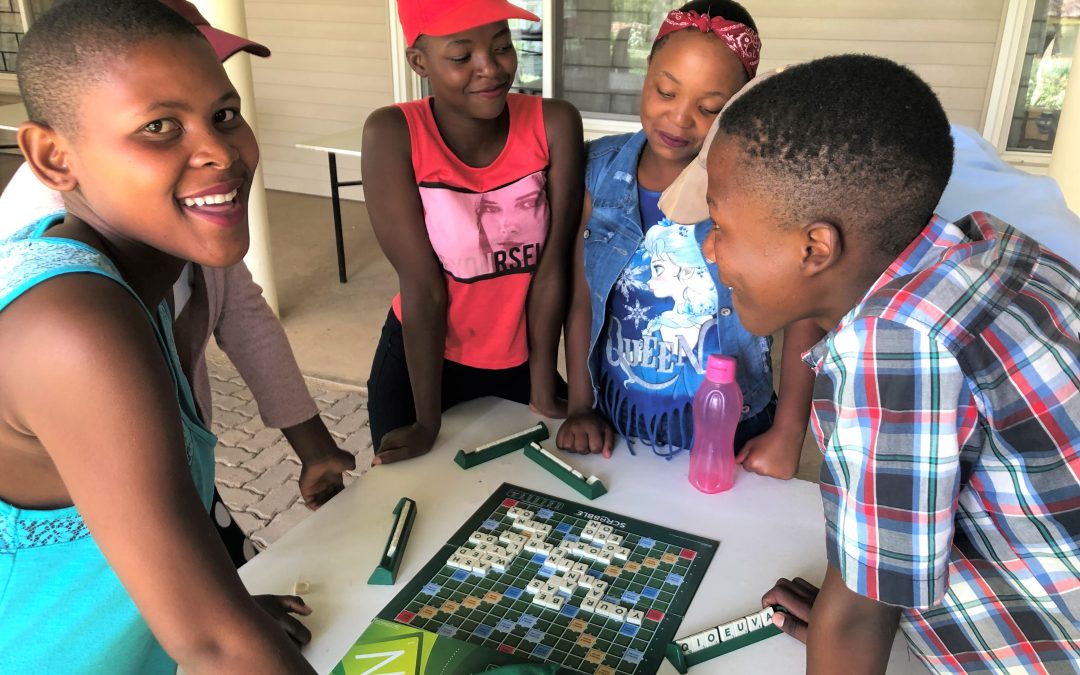
1.Centre Competitions on Cognitive Games: As you know, cognitive development, with psychosocial support, is the underpinning of all our programs. We have initiated competitions between children in our two centres on four games that promote critical thinking: Chess, Scrabble, Monopoly and Cribbage. This has been such fun and the children are captivated, motivated and constantly practicing. Children as young as seven are joining in. This gives them purpose and a concentrated break from their concerns. Each quarter, children from one centre go to the other for a Saturday competition. Local children and youth crowd around to follow each move. We are seeking funding to expand and improve these quarterly competitions to 240 competitors a year and cover proper trophies to be displayed at the winning centre; educational rewards for the winners (flash cards, coloured pencils, etc.); transport for 30 students to the opposing centre (60 qualifying students in each competition) 50 minutes away and lunch for the competitors. The transport and food are the most significant costs. This will motivate, entertain and improve the learning of hundreds of children a year.
Cost: $2,500 per year

2. Staff Capacity Building: To address the need for constant training for our staff and professional interns, we have developed a simple online learning management system (LMS) to move learners through short, motivating courses. Two of the five levels are complete and we need funds to hire some help to complete the plan for a total of 200 courses in finance, admin, program delivery, psychosocial support and management. It is hard with such a small staff to develop everything ourselves and with help, we could finish this in a year. I see this as key to our sustainability and standardization of program quality for the next decade. We have a proposal ready – so please ask if this is something you can help with.
Cost:$19,750

3. Best Way to Help: Become a Monthly Donor:We plan a year ahead. We are currently developing our July 2019-June 2020 budget. Becoming a monthly donor or increasing your monthly donation allows us to plan more effectively and efficiently to use your heard-earned money wisely.

I started Letter #1 eleven weeks ago reflecting on our 15 years of delivering programs in Lesotho. I end this final letter with a huge amount of optimism. We have exciting new projects in our next three years’ strategic plan. We have achieved our objective to create a critical mass of young people who can change the country. We have all the love and goodwill needed to mobilize them.

On behalf of each beneficiary, staff and community member – thank you so very much for joining us on this journey. We all need to know that good things are possible. We are on it – on your behalf.

Please keep in touch and I hope to connect with you again soon.

Love,

Peg

Peg Herbert, Founder and Executive Director

Read Letter #5

Peg’s Letters from Lesotho 2019: #5

Peg’s Letters from Lesotho 2019: #5

Lumelang,

The roosters are creating a racket. Cow bells on the sheep clang as the flock grazes the field. Staff sing as they enter the Centre – absently, lovely. A new day dawns. The fruit from the peach trees we planted nine years ago have ripened and been immediately picked by the children. Not a single one is left – just as we planned so long ago. Summer is delayed because the rains were tragically late this year. Up in the mountains, there is no corn on many of the stocks. Much of the seeds in our grannies’ gardens died in the dry soil. Second plantings of vegetables will ripen but harvest for the winter will be sparse. The late greening of the land is encouraging though and most welcome.

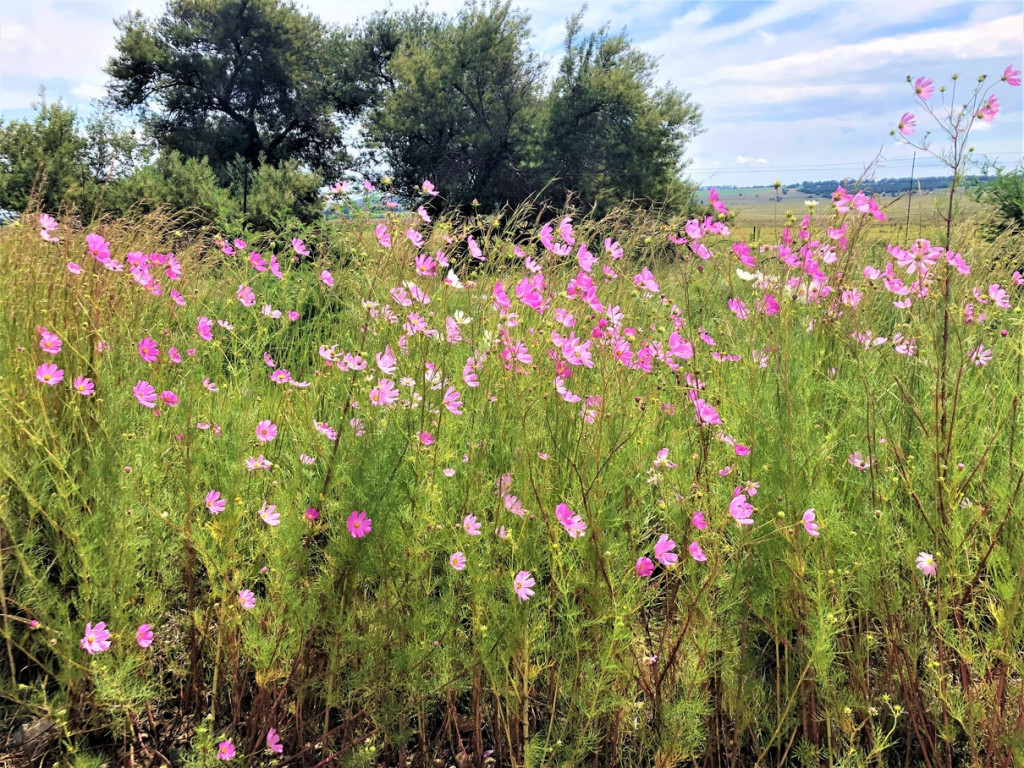
Finally, the cosmos have bloomed!

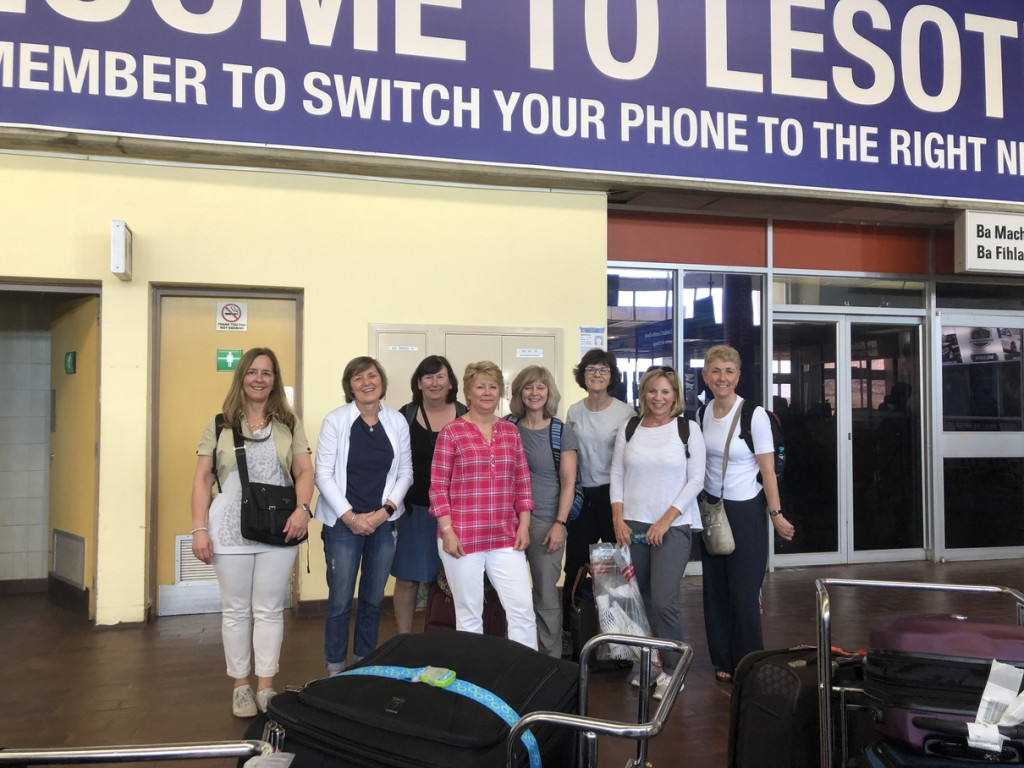
We were thrilled to host our newest board member, Thabang Mashologu, his wife Sarah and their two adorable sons, for a couple of days last week. Thabang is from Lesotho but did all his degrees in Canada, fell in love with a Canadian westerner and has been living in Canada since. It is exciting and so helpful to have a Mosotho on the board who knows both countries well and has many contacts in Lesotho. It really is essential to come and see our work, so we appreciate him taking time from his family visit to spend with us here.


Marlene Caicco, our Donor Relations Manager, arrived for her first visit to Lesotho and it is wonderful to have her. She stayed at the Pitseng Centre for the weekend and is experiencing as much as she can of all our programs and people. She will have lots of stories to share. She is writing a blog and posting videos if you want to follow along.


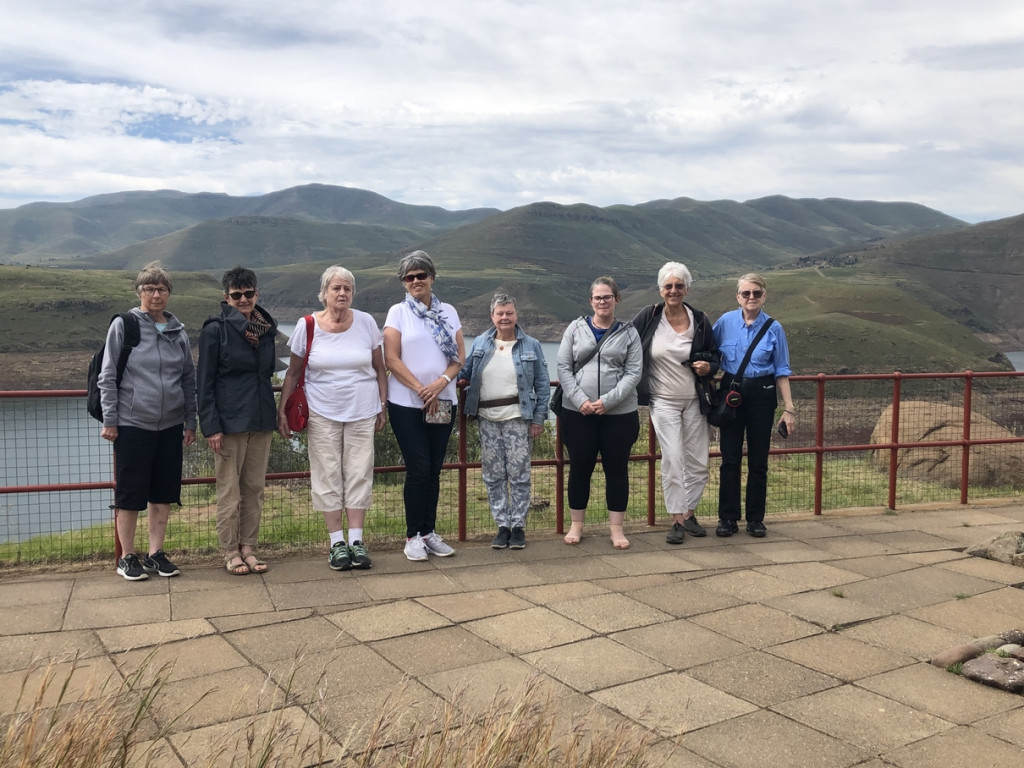
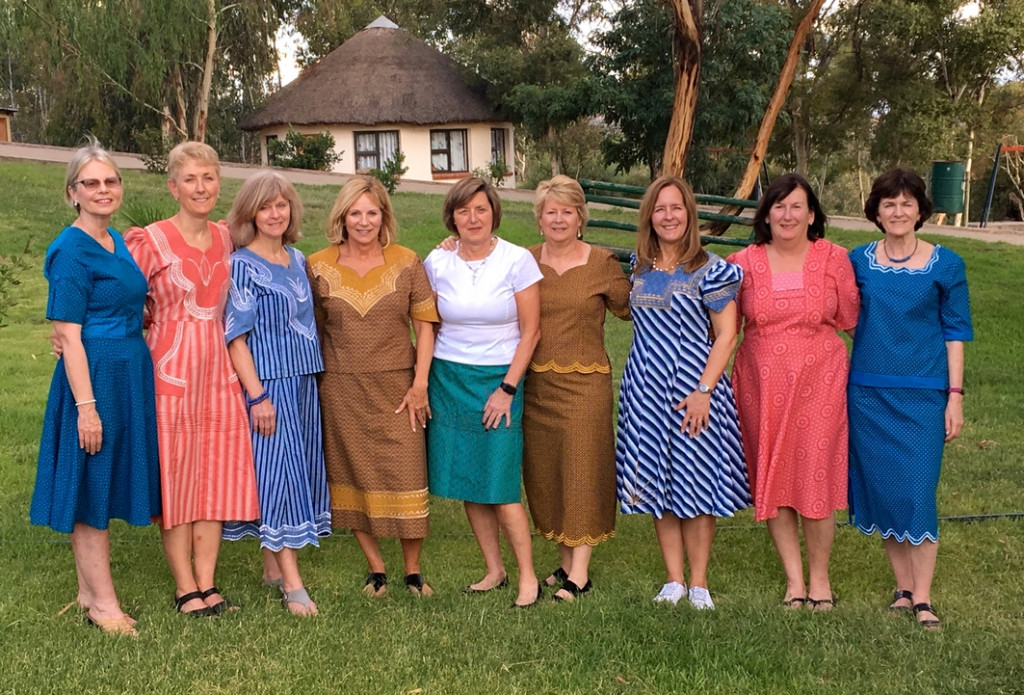
Our second donor trip guests arrived and are enthusiastically meeting staff and beneficiaries. Only two knew each other beforehand. Susan Hendry (Utah) was a US Peace Corp member in Lesotho forty years ago; Deb Ruse (Kingston, ON) is a committed member of the Kingston Grandmother Connection; Jean Ahlgren (Fredericton, NB) and her late husband, John, have been loving supporters for a decade; Hilary Barrett (McDonald Corners, ON) has a long family history in Africa; Katie Hellyer (Toronto, ON) is a member of the Audrey Hellyer Family Foundation Board which has supported us for a decade; Sheryl Selwyn (Chelsea, QC/New Zealand) has been such a faithful support to me and the organization since it began; Margaret Hughes’ (Kingston, ON) late husband’s family has a long history in Lesotho; and Shelagh M’Gonigle (Ottawa, ON) is a former board member and huge advocate for Help Lesotho since the beginning. Each one has a special connection to Lesotho and to us. Each one is delighted to be here and a pleasure to host. We leave for a few days up in the mountains today.


Many times each day I am taken aside by a participant or send a note. Our beneficiaries are bursting to share their growth. Words pale in describing how much these program mean to them. I want to share one of the messages from a deeply wounded young woman who was raped twice and victimized for years:

Today we talked about values. Honesty is the value that I like most in my life. I always bear this saying in mind: “only the truth shall set me free.” People sometimes get the wrong impression based on my behavior and my attitude towards them. After the session, I was able to work on my personality and behaviour, and now I can see a difference in myself. It really feels like there’s a root that is growing inside my body.
Now I am able to communicate. It was hard for me at first but now it feels like I am used to communicating. I was able to share my personal problems with ‘M’e Peg and that was my first time sharing with anyone. And after sharing I felt so relieved – although it happened years ago – but after sharing I was able to grieve again. Now I am able to share this information with others so that they will be able to be true to themselves, be aware of themselves, to think about their thoughts and express their feelings, and to develop trust and the power of knowledge. And they may be able to build their own healthy boundaries. This place has played an important role in my life. I can feel the change and am proud of being me.

What a brave young woman!

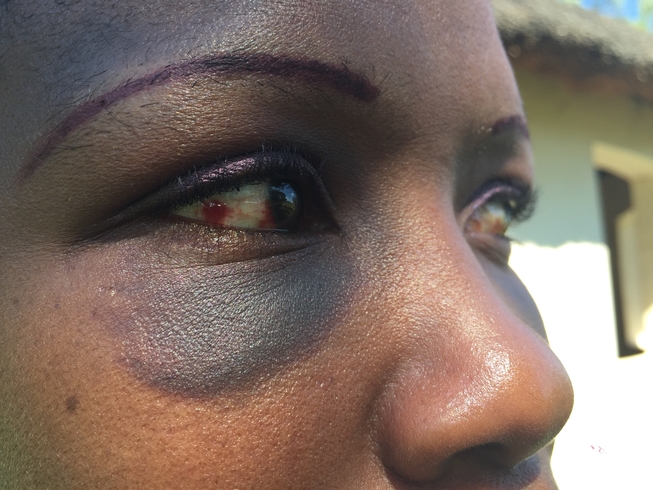
Lest the image of gender-based violence seems vague, I am including one photo I took of another young woman. We all work tirelessly to end such abuse.

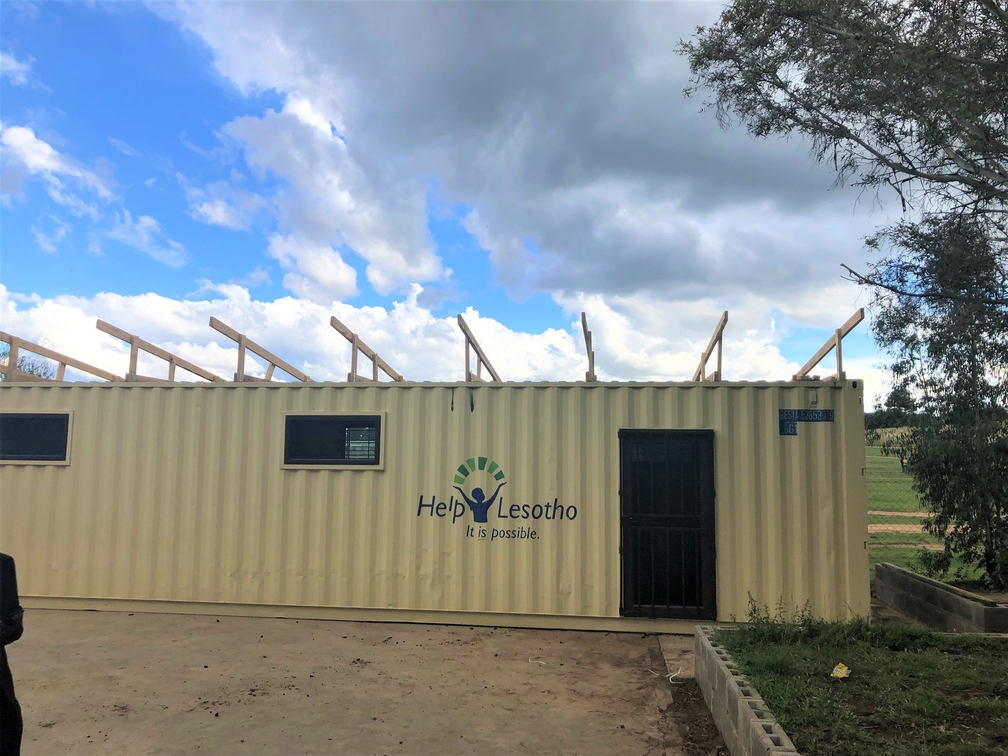
One of our donors has generous provided the funds to put a roof on both of our computer container labs. We have worried that the flat roof on the metal containers will rust and compromise the valuable computers inside. As is the case here, it has taken a long time but it is indeed happening.

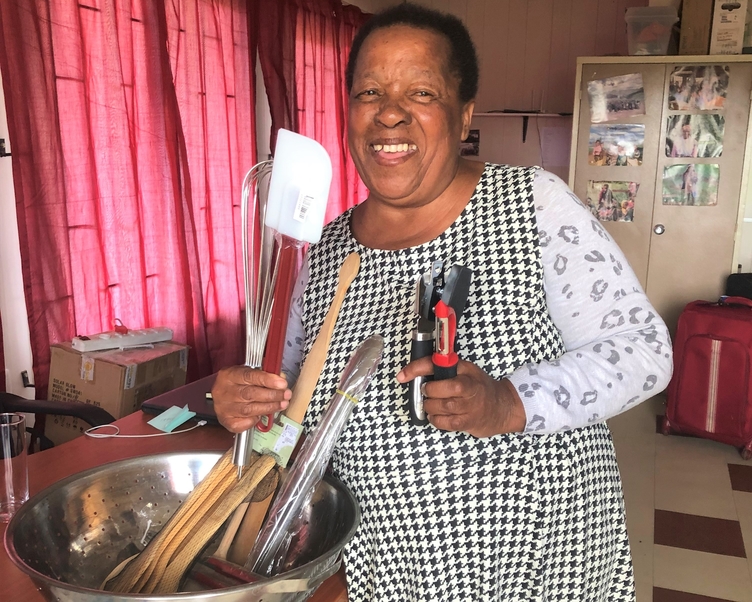
One of our guests last month was so taken with the worn-out state of the cooking implements that our cook, ‘M’e Muntja, was using to provide meals for hundreds of people that she sent the most exciting group of supplies – to ‘M’e’s delight and surprise.


The schools are still closed with the teacher strike and our two Centres are overwhelmed with children playing and students in the libraries – such happy sounds. Little ones are practicing chess, scrabble and monopoly for the Centre competitions. It is a busy place.

We all feel it is an enormous privilege to be here!

My time will come to a close in the next weeks and there is still so much to do. I will send one more letter but know that I am thinking of you … often and with fond gratitude.

Peg Herbert, Founder and Executive Director

Read Letter #4

Peg’s Letters from Lesotho 2019: #4

Peg’s Letters from Lesotho 2019: #4

Lumelang,

Out my window I see three shepherds watching their flocks in torrents of rain, their heads covered with what we call balaclavas; their bodies by the traditional Basotho blanket. My heart goes out to them. I spent a morning with some of the herd boys in our program recently and feel such compassion for these boys relegated to such solitude and loneliness. More on that later.

Teachers have been on strike. After a three-week walk-out, schools will now be open for one week and closed for three in a rotating cycle until their grievances are addressed. As well as extremely low salaries, not paying principals (one principal told me she has been ‘acting’ principal for 15 years without compensation as well as teaching a full load) and not paying pensions, one of the contentions is the government’s failure to pay primary schools the M20 (CAD $2) per student per year they are allotted. The schools have no resources to continue. One is incredulous that children’s education in primary school is worth $2/child a year. For high school, the costs to the guardians, parents and grannies are nigh impossible.

With little or no income, these ‘guardians of the future of Lesotho’ have to find the funds to pay for medications, too many burials, schools fees, and the normal costs of living. They are eternally overwhelmed.

Our first donor trip guests have left after a wonderful visit. They were so appreciative, engaged and lovely to host. They want to come back!!! It is encouraging to have such talented, interested advocates. They spent all their time with our local staff and beneficiaries and were constantly and deeply touched by the need and the profound impact our programs have. Because of the internal coherence within and across our programs, all beneficiaries have the same vocabulary and concepts to talk about their challenges and strategies. This creates a foundation for family and community communication that is desperately needed to address these complex, emotionally-laden topics.

I am sure they would agree that one of the most impactful experiences here is attending a grief and loss session. Out of these fine, lovely participants pours a depth of suffering, abandonment and pain that is both crushing and desperately sad. To be a witnesses to the burden of this kind of devastation – pummeled on an entire population – one becomes overwhelmed themselves. Wrenching tears, confessions of misery and suicidal thoughts, terrible loneliness and loss – it is a graphic display of how much this country needs to heal from. Yet, watching them express, discuss and find really helpful strategies to address their pain is so positive and strengthening. To visibly see people heal in front of you is astounding. You may find this hyperbolic but I assure you it is not. This session is consistently one of the top favourites of all groups and ages of participants since 2006.

Our guests had so many incredible experiences but one they will never forget was an hour horse-back ride to a small – very small – and very poor school up in the mountains.

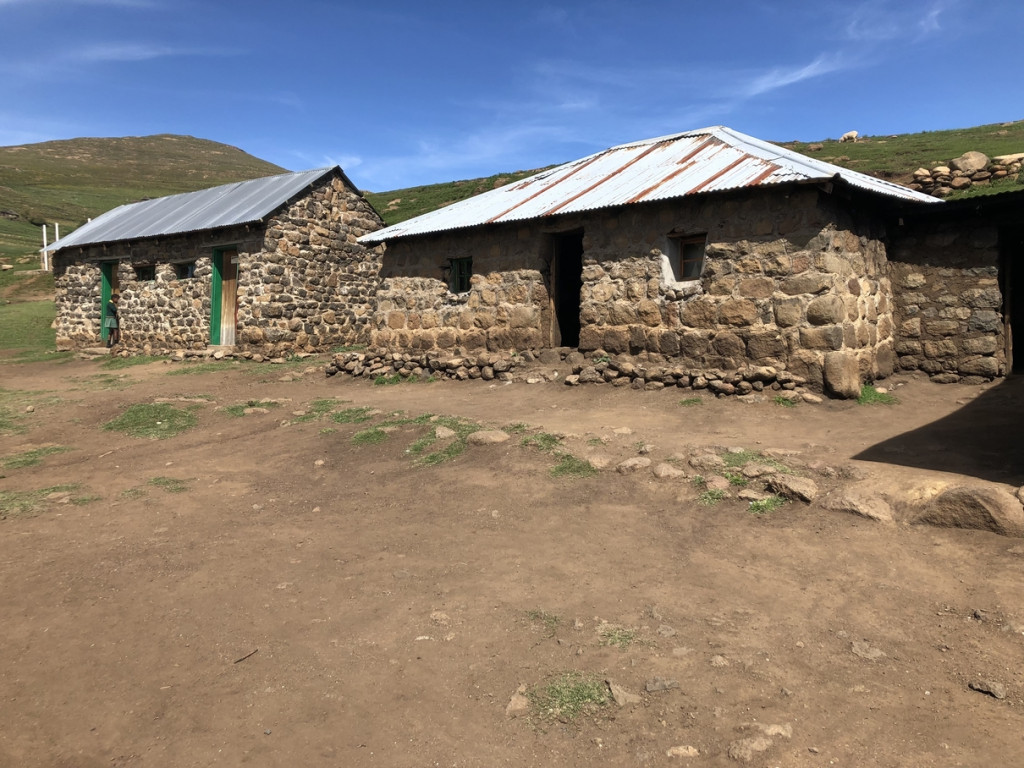
Majara has 153 students in three tiny, broken, stone classrooms. Because it is impossible to imagine unless you go there, I take guests as it demonstrates beyond anything I could ever say how isolated, poor and courageous these little schools are. Last year one of our guests was so touched that she bought hats, mitts and socks for the children just before the bitter winter. She has provided a generous donation again this year to do something special for them.

The school, Majara, had seven students last year who graduated from grade seven. Almost no one from this remote village has ever entertained the notion of being able to get an education beyond grade 7. Through our Child Sponsorship Program we are paying the school fees for two of these students. Hallelujah!!!!

We had the most wonderful visit with herd boys I have ever had. These boys had been in our program for six months already and now are doing community service to teach other herd boys about sexual health and gender based violence. The boys were so honoured and excited to have international guests visit them – to be seen – to be heard. They told us of their training. They danced and sang for us. It was inspiring and so much fun. We were all in tears.

We went from there to visit some of our grannies in their village. These dear souls are completing their two-year program cycle and thrilled that their grandsons, the very herd boys we just met, have had training in how to communicate, problem solve, and practice healthy hygiene. Almost before we got out of the trucks, they were bursting to thank Help Lesotho for helping these previously unmanageable boys to grow up and become aware of needs and rights of girls and women – including them!!!! They shared how much the boys had changed and how much this changes their lives – one less burden. It reinforced the impact of training various populations within the same villages at the same time. It meant so much to hear them so happy. I worry about them more often than I will admit.

I have been giving training sessions for our staff, professional interns and the CHANGE4ce trainees I spoke of in my first letter. I admire their openness to struggle to understand themselves, life and healthy ways to support others in their growth.

Tomorrow I will welcome our new board member, Ntate Thabang Mashologu, his wife Sarah and their two young sons. Thabang and Sarah recently moved from Toronto to Ottawa and we are very excited to have him on the board. As a Canadian/Basotho, he will be a huge help. Also coming on Monday is Help Lesotho’s Donor Relations Manager, Marlene Caicco, whom you may know. This is Marlene’s first time to Lesotho and she is so excited.

I want to give a shout out to my dear friend Elizabeth May, leader of the Canadian Green Party, for choosing Help Lesotho has one of her three favourite charities for donations in lieu of gifts in honour of her upcoming wedding. It is beyond touching. She has been an unfailing support since the first month this whole thing started. Bless her heart. I am thrilled she and John found each other.

In closing, I have two things I ask you to do to help us right now:

  1. The first is about our very special grandmother program. For the last three years, funding has been steadily decreasing. The entire program relies 100% on the donations from individuals and our grandmother groups, especially the Kingston Grandmother Connection and Grandmothers Helping Grandmothers in Fredericton. Last year, we had to cut several elements from the program to make ends meet. If this touches your heart, could you either increase your donations for this program or help us reach out to others who might? Everyone here sends their thanks for anything you can do to augment the revenue for these dear souls to get the support they need. We are starting a new group of 200 grannies in the program in June/July. It is my hope to raise at least $50,000 before then to ensure this new group of 200 grandmothers can have the full program. Please consider giving so these special grandmothers can get psychosocial support, the exact information they need to improve their health and family’s nutrition, seeds for their gardens, strategies to raise the orphans in their care, help to get registered as a ‘person’ with the government so they can receive their pensions, and the opportunity to build a support network in their villages. Believe me – we are all these women have; and
  • The second ask is that you help us raise awareness of our work by:
    • Clicking the SHARE button on our Facebook posts – especially my letters;
    • Forward my letters to colleagues, friends and family;
    • Write a note on your social media platforms (LinkedIn, Instagram, Facebook, Twitter, WhatsApp) to encourage your friends to join our social media or visit our website (provide links)

Your support has not only changed tens of thousands of lives in Lesotho, but mine as well. Thank you so very much.

Peg

Peg Herbert, Founder and Executive Director

Read Letter #3
Read Letter #5

Peg’s Letters from Lesotho 2019: #3

Peg’s Letters from Lesotho 2019: #3

Dear Friends of Help Lesotho,

Dawn is breaking as I write. The chorus of birds outside in the massive eucalyptus tree are particularly keen to announce the day! I got up especially early today to wash my hair while hot water was available. We got a notice that the power will be out all day. It is rare to get a notice – usually, it just stops! In the last six weeks we have had enough rain to green up the land and build hope for some kind of harvest. Climate change has wreaked havoc with sub-Saharan Africa. There are long periods of drought, killing the expensive seedlings. Rain comes late in the season, if at all, and barely fills the rivers with enough water to service its people. Many villages are without water for months – even the capital city.

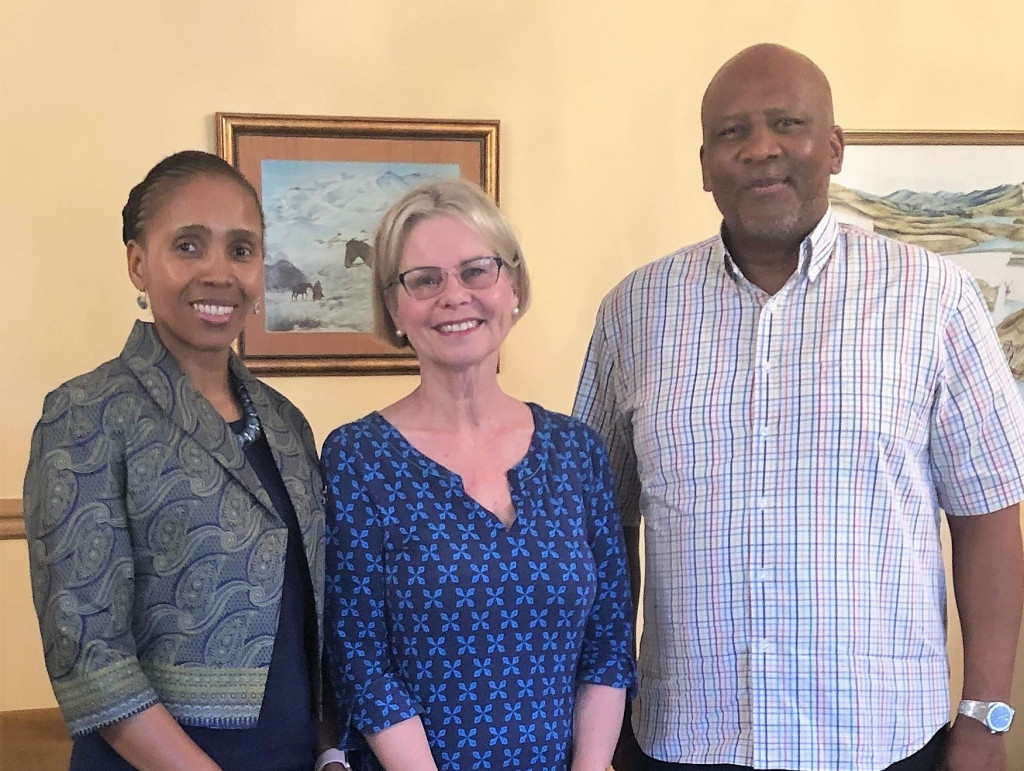
I drove to Maseru to meet with UNICEF on a project they are funding and to have a lovely visit with their majesties Queen ‘Masenate and King Letsie III. It is always a pleasure to chat with them about our work and the needs of the Basotho.

Our plans to hold a teacher training conference this coming week have been thwarted by a teachers’ strike. The working conditions for teachers are very difficult. With so many orphans, teachers are now surrogate parents, socializers, health educators about HIV/AIDS, on top of their normal responsibilities. Many live in substandard housing on the site of the schools – often far from their families and amenities. Issues of reliable and fair payment are always an issue here.

I did a 90-minute session for the opening day of the Leaders-in-Training program. I love having time to talk to the youth – that is my favourite thing. On their first day, they are unsure what this is – how can it be that discussions will be open and frank about the topics that trouble their young hearts to the point of depression and often suicidal thoughts? How is it that there is no criticism or judgement? Why did someone not help me before this? If I had known all this as a child, I would have made better choices.

The level of activity here would surprise you. Staff are constantly out in the field – in the far mountains training herd boys, in almost impossible to reach villages training young mothers, organizing GIRL4ce performances to end early and forced child marriage and gender based violence, and going up-and-down between granny huts making sure they are all right and have the support they need. They are the most caring staff you can imagine – thoughtful, positive, and totally committed to their populations. Although we have the two Centres, the majority of our work is out in the villages.

We rotate the villages where we work. One of our strategic decisions was to move into a fourth district, Berea. We have been investigating a particular area, its needs and possibilities. We only work in areas where the local chiefs and councils are supportive and participatory. We will compound our impact by doing many interventions in a more concentrated geographical catchment. To this end, ‘M’e Mampaka and I went to do additional reconnaissance. It is often difficult for me to go places as that raises local expectations that something is going to happen, but I wanted to see it for myself. We went unannounced. In the area under consideration – there is a tarred road the whole way – I was shocked. This would be the first! The valley is more fertile than other areas as the mountains catch the rain there. We drove around and then spent 45 minutes with the local mid-wife and nurse at the clinic. The village has a clinic, a Catholic Mission and church, a high school and a primary school. The closest police are 35 minutes away. There are no jobs. Youth stand in small groups near the road. The nurse tells us that there is a very high incidence of sexual violence, that the men like to fight, that there are so many orphans and an unusually high percentage are HIV positive. We spoke to local women – they are the ones who truly know the issues their community is facing. We heard stories of vulnerability that would make you weep and are actually too delicate for me to write about.

One of those lovely women came to tell us that one of our tires was entirely flat – undoubtedly due to the sharp rocks on one particular road we travelled after turning off the tarred road. Yikes! The truck I drove that day was massive and there was no way I was going to change a tire on it! Long story short – after a significant delay in the hot sun, our driver Ntate Motsamai, came to rescue us. In all the thousands of kilometers I have driven and in the most remote and dangerous mountain roads here, this was my first flat tire! I was so glad we were within cell range!

Last week I picked up our donor trip guests from the airport. This is Jennifer Parr’s eighth visit to Lesotho! She has been such a valuable supporter in so many ways, including chairing our Board for ten years. Susan Richardson is here for the second time and the others are welcomed to Lesotho for their first: Erika Seguin, Susan Shackell, Linda Jamieson, Kathleen Flynn, Johanne Seguin and Nives Mion.

They have all been such good sports – the first day – no electricity or water! Each one is keen to explore every opportunity. They are flexible and compassionate.

I end with a quote from a local woman after seeing the fabulous but realistic GIRL4ce performance to end child early and force marriage and gender-based violence. It is but one indicator of the incredible and imperative impact your donations are making.

“Really I did not know there are such laws that protect our girls from being victimized of child early and forced marriage as it is a norm in our village. Hence I am very glad that every member of our village is here to grasp the information.”

Thank you for reading along.

Be well,

Peg Herbert, Founder and Executive Director

Read Letter #2
Read Letter #4

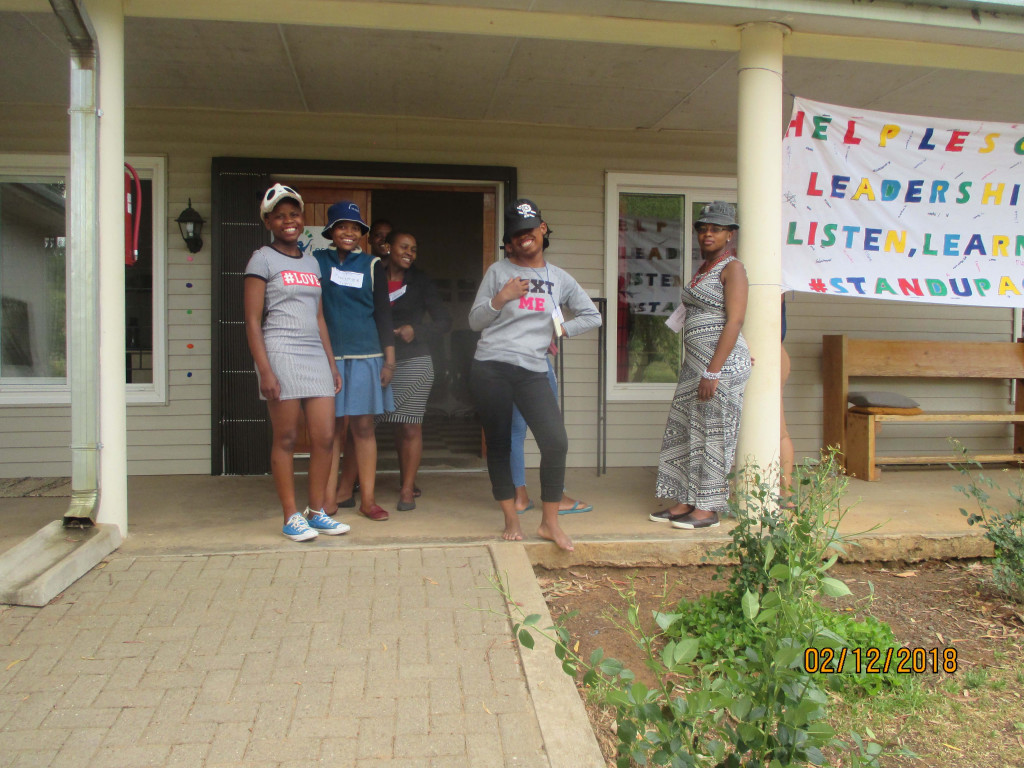
Leadership Camp

Leadership Camp

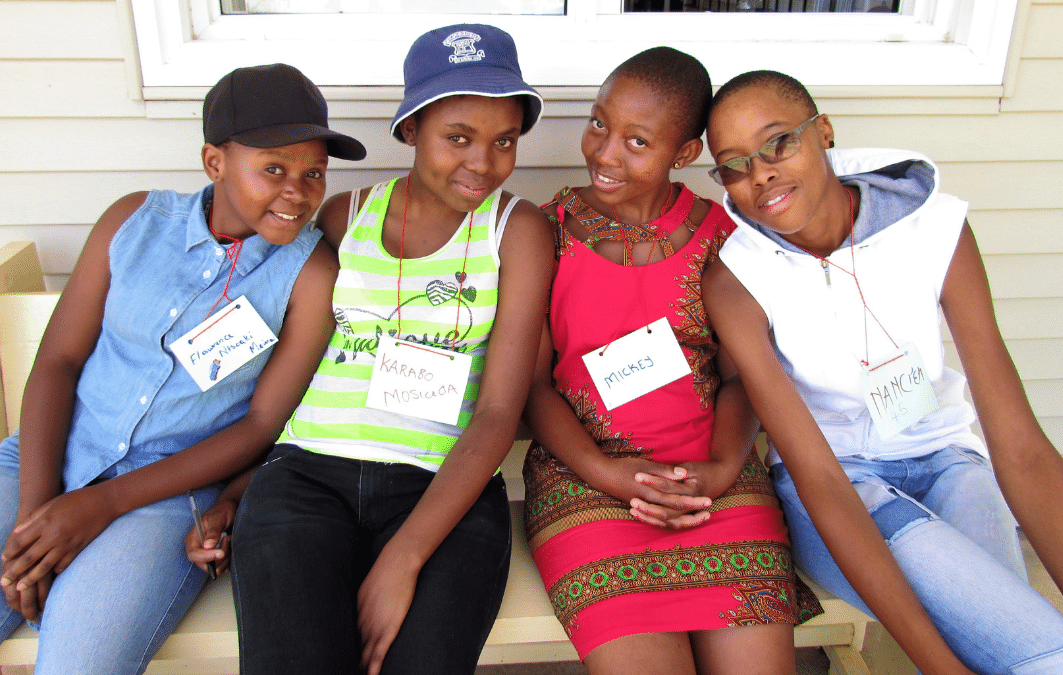
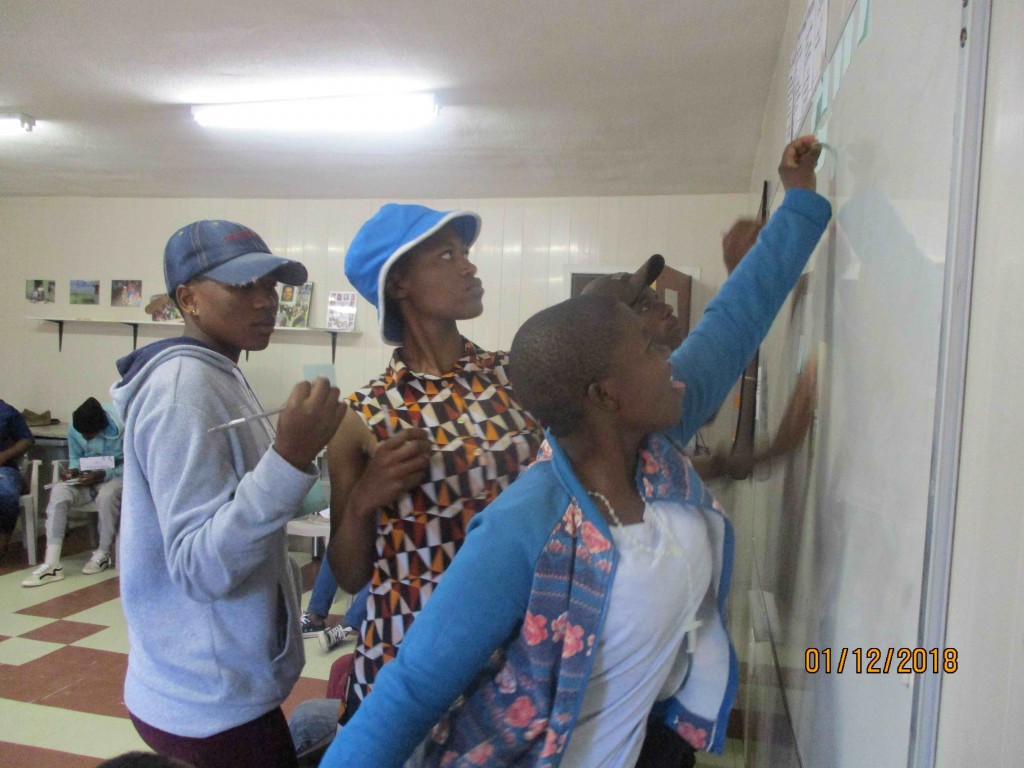
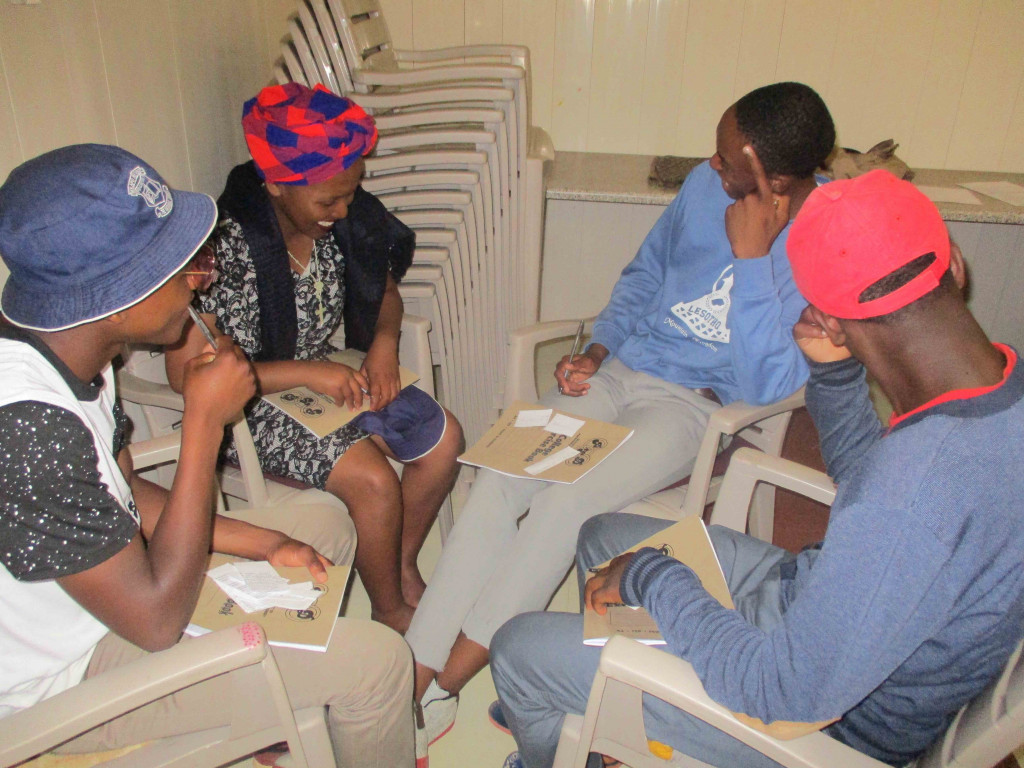
In December 2018, Help Lesotho’s Hlotse Centre was bursting at the seams as over 150 campers flocked to the Centre to learn life-saving information, make friends and experience ‘home’ with their Help Lesotho family at Leadership Camp.

Help Lesotho’s Leadership Camp holds some of the best memories of my life!

– Puleng Motsitsi, Camp participant

Camp is a life-transforming experience for the children in Help Lesotho’s Child Sponsorship Program. Attending Camp is considered a privilege. Participants come to their first camp as shy, nervous and curious students and leave as knowledgeable, motivated, and confident young leaders. Camp inspires children to overcome challenges and make a difference in their communities. More than 4,000 students have participated in Camp, many attending several years in a row. The impact of the camp is multiplied in all those with whom campers share the information.

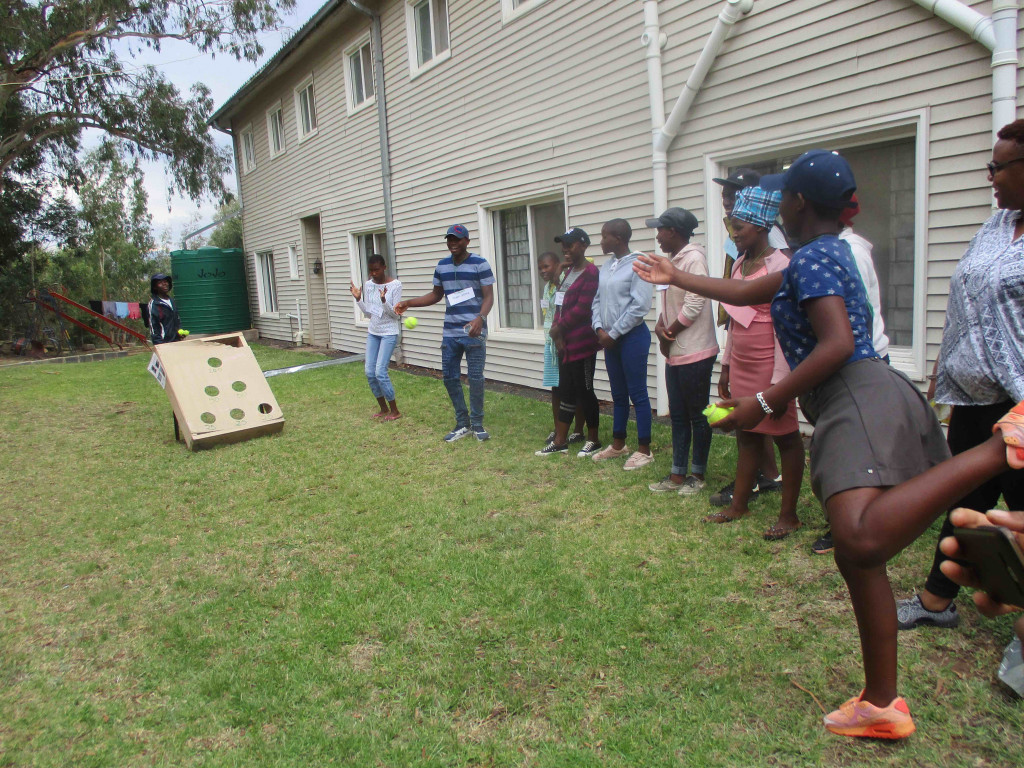
The campers get to let loose and play group games like beanbag toss.

Learning Life Skills

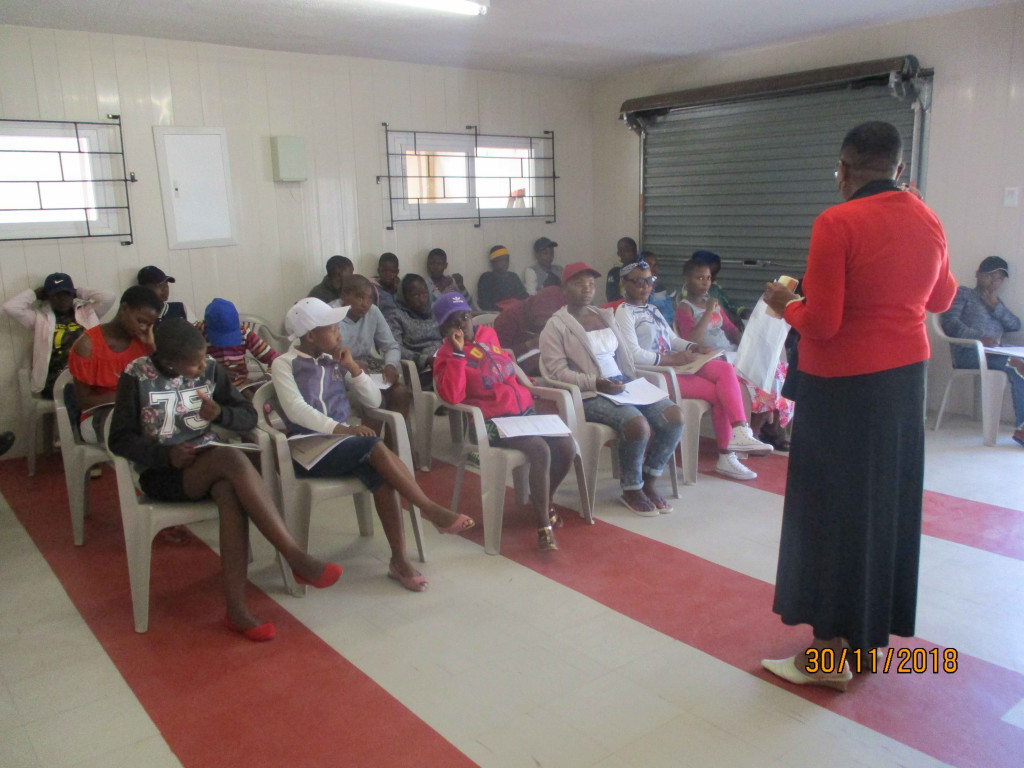
Leadership Camp empowers vulnerable young people to live healthy lives and become agents of change within their communities. They spend their days doing arts and crafts, eating healthy meals, playing sports and attending education life skills sessions. This year, the topics covered included: Decision-Making, Goal-Setting, HIV Prevention, Self-Esteem, Gender Stereotypes, Gender Based Violence and Sexual Reproductive Health.

This year, the topics covered included: Decision-Making, Goal-Setting, HIV Prevention, Self-Esteem, Gender Stereotypes, Gender Based Violence and Sexual Reproductive Health.
After attending an educational session on making healthy choices, 94% of campers reported they learned how to make healthy choices

After attending an educational session on making healthy choices, 94% of campers reported they learned how to make healthy choices.

In a session called Risky Behaviours, the campers discussed actions that can lead to contracting HIV, such as unprotected sex, sugar daddies and mommies, and peer pressure.

In a session called Risky Behaviours, the campers discussed actions that can lead to contracting HIV, such as unprotected sex, sugar daddies and mommies, and peer pressure. As a result, the campers reported having a better of understanding of how to protect themselves from HIV. Before the session 59% of campers disagreed with the statement: you cannot get HIV the first time you have sex. After the session, this statistic rose to 91% of campers.

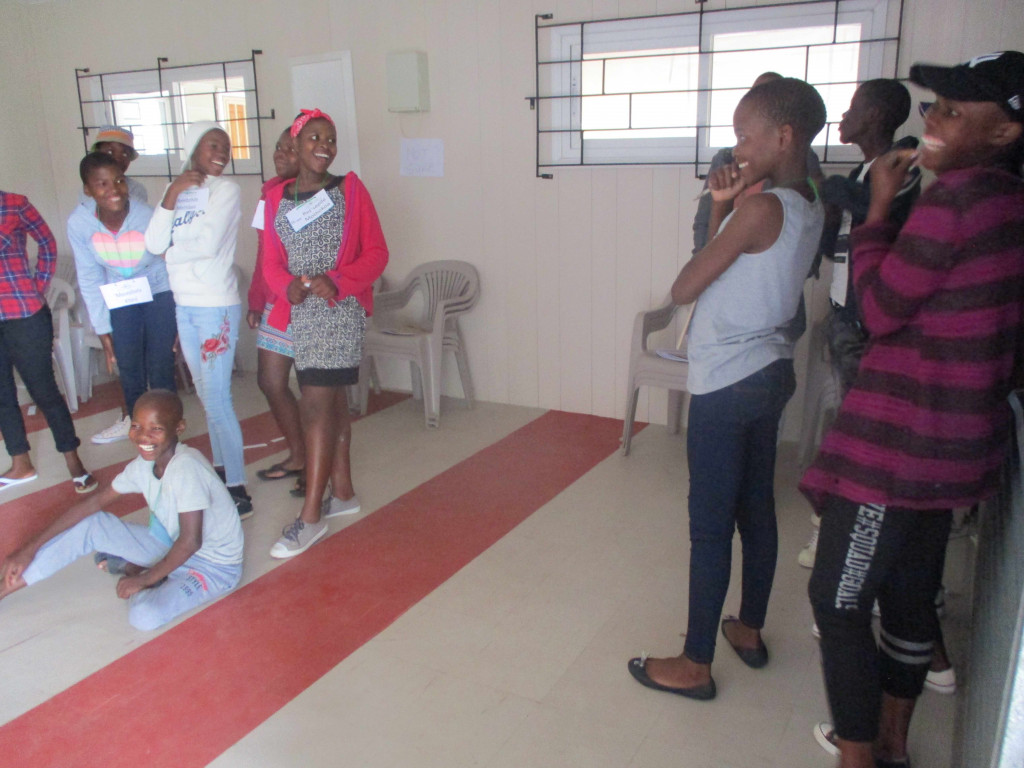
Campers get to know one another better with ice-breaker games. These games help create trust and ease discomfort when sensitive topics like HIV/AIDS, and gender-based-violence are discussed.

There are many common misconceptions about HIV/AIDS in Lesotho. For example, the implication that girls who carry condoms want sex all the time was answered by the fact that it is out of caution and respect for themselves because anything can happen to them due to rampant gender based violence. One of the common myths in Lesotho is that HIV can be cured. This is due to a number of factors such as religious beliefs (where some priests claim that they can pray for someone who is HIV+ to be cured), traditional doctors who claim that their herbs can cure HIV and that there are still people who do not understand that ARVs do not cure HIV/AIDS among others. Prior to the session 79% of campers agreed with the statement: there is no cure for HIV, while after the session this was increased to 94%.

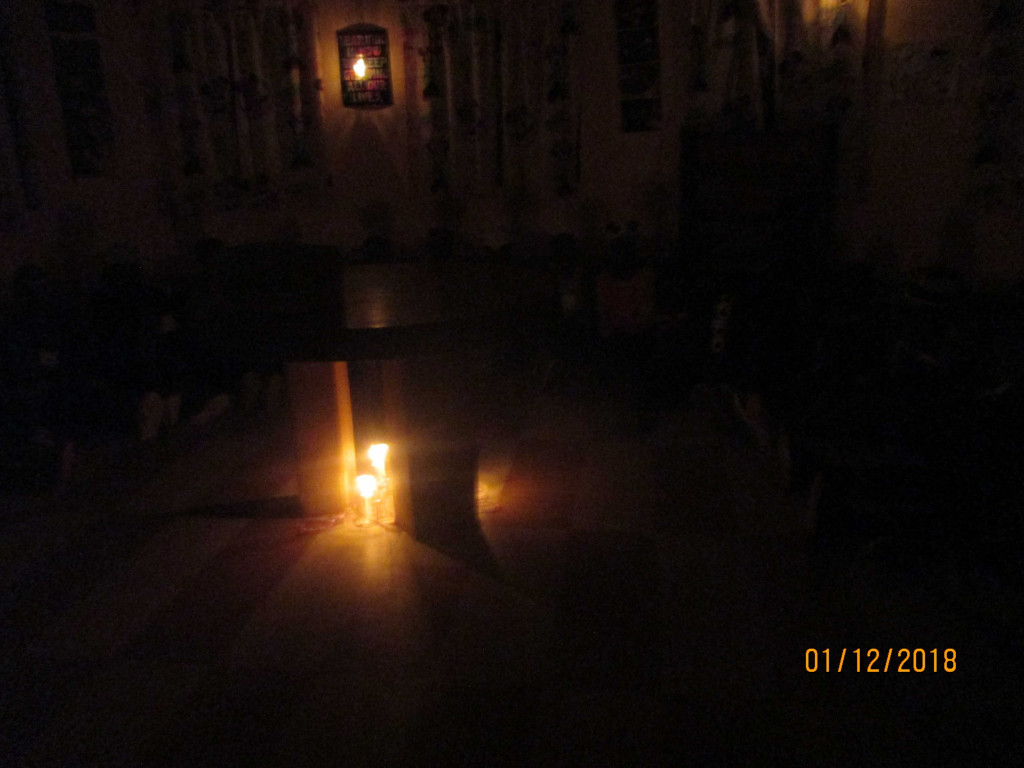
Help Lesotho staff created a safe space, complete with candlelight, for the campers to discuss their feelings about their lives and being part of the Child Sponsorship Program (CSP).

If I had not been part of the CSP, I would either be a street kid, married or working odd jobs just to make ends meet.

Thabo Letang, Leadership Camp Participant

Standing Up Against Gender Based Violence

The campers learned about the gender stereotypes and gender based violence prevalent in Basotho culture, through games, discussions and skits. They learned they have a role in preventing violence against women and by the end of camp 94% of campers agreed with this statement, whereas prior to the sessions only 77% of campers agreed.

My take-home was that I had to be a defender of women’s rights and not an oppressor.”

Renang Lethoko, Leadership Camp Participant

Gender Equity By the Numbers

  • 95% of campers disagree that domestic work is a woman’s responsibility, not a man’s, compared to 61% prior to camp.
  • 91% of campers agree that in Lesotho, it is against the law to beat your wife, as opposed to 74% before attending the educational camp sessions.

Palesa Goes to Camp Video Series

Have you ever wondered what it’s like to attend one of our Leadership Camps? Help Lesotho intern, Palesa, attended camp and made a video series to show what’s like to be a Help Lesotho camper. You can watch Palesa Goes to Camp here.