While many of you deal with unusual amounts of snow and cold, it is gloriously sunny here about 25-28 degrees C with occasional, fierce storms. The rain in the past three or four weeks has replenished the soul and encouraged the farmers that their crops may have a chance to ripen.
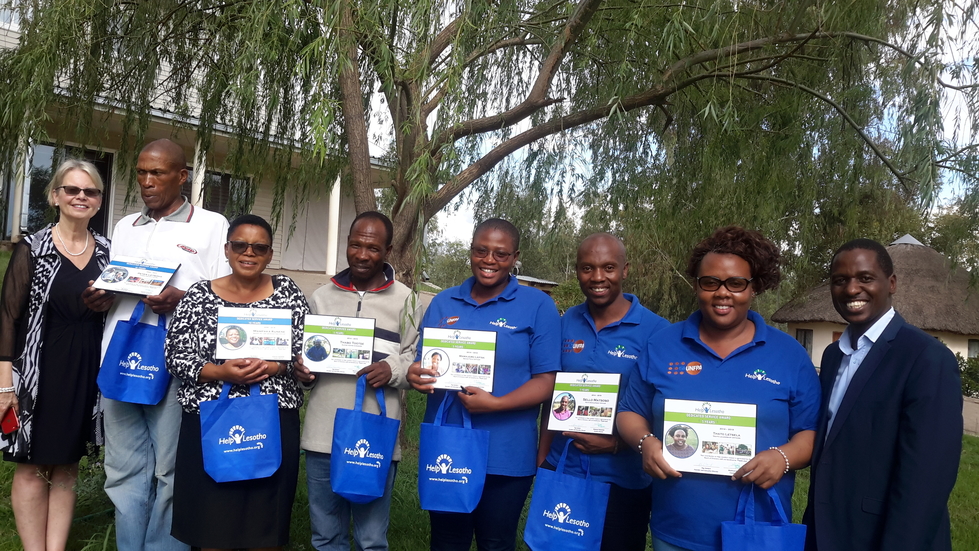
Our Quarterly Staff Meeting this week had much to celebrate. Six received Loyalty Plaques. It was lovely to recall their time with us, their growth and enormous contributions.
Left to right: Beside me is Ntate Peter, the security guard from the Pitseng Centre, who received his 10-Year Plaque. He welcomes all our visitors, and protects our property, children and staff with the biggest smile you have ever seen. Beside him, ‘M’e Mampaka received her 10-Year Plaque. ‘M’e managed our Child Sponsorship Program for many years and is now managing the Grandmother Program and the sponsored children in Thaba Tseka.
The rest received their Five-Year Plaques. First is our Hlotse gardener, Ntate Thabo, who keeps our Centre a beautiful sanctuary with love and care. Next is ‘M’e Shasha, who runs our programs for young mothers and adolescent girls. Those girls are so lucky to have her. Ntate Sello lovingly and so effectively supervises the Herd Boy Program, Leadership in Training, Camps and other programs. Beside him is ‘M’e Thato, who does a fabulous job supervising both our Centres, the Professional Internship Program, programs for girls and women and the Computer and Life Skills Program. And finally, Ntate Shadrack Mutembei, who has guided, encouraged and cared deeply for our staff and programs for nearly eight years. He is a wonderful leader and we are blessed to have him.
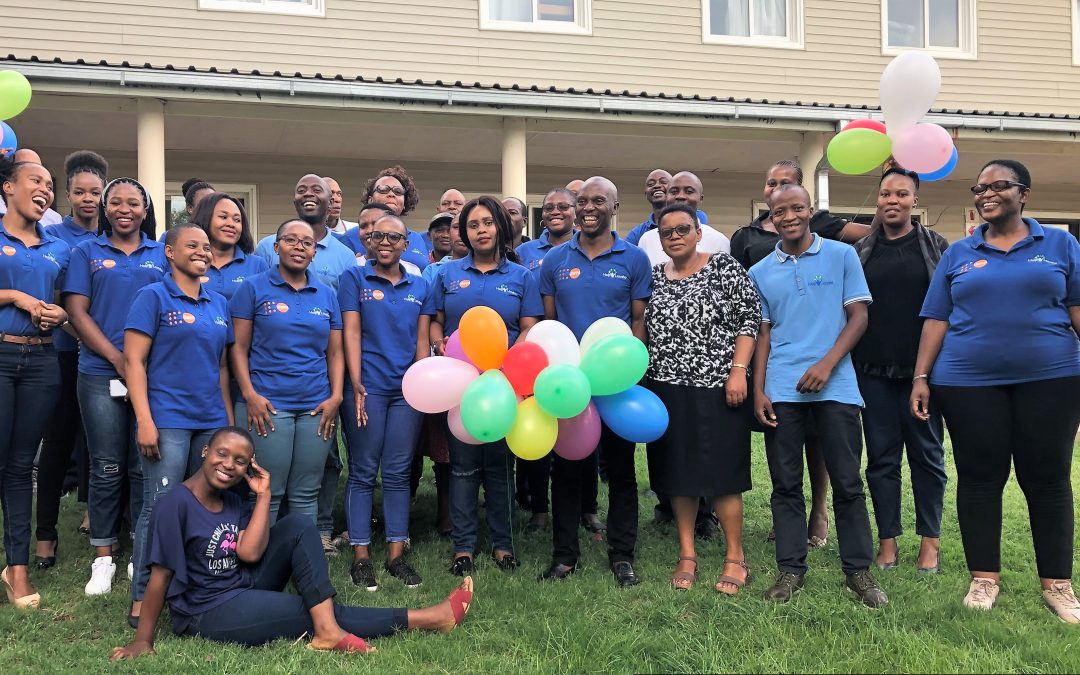
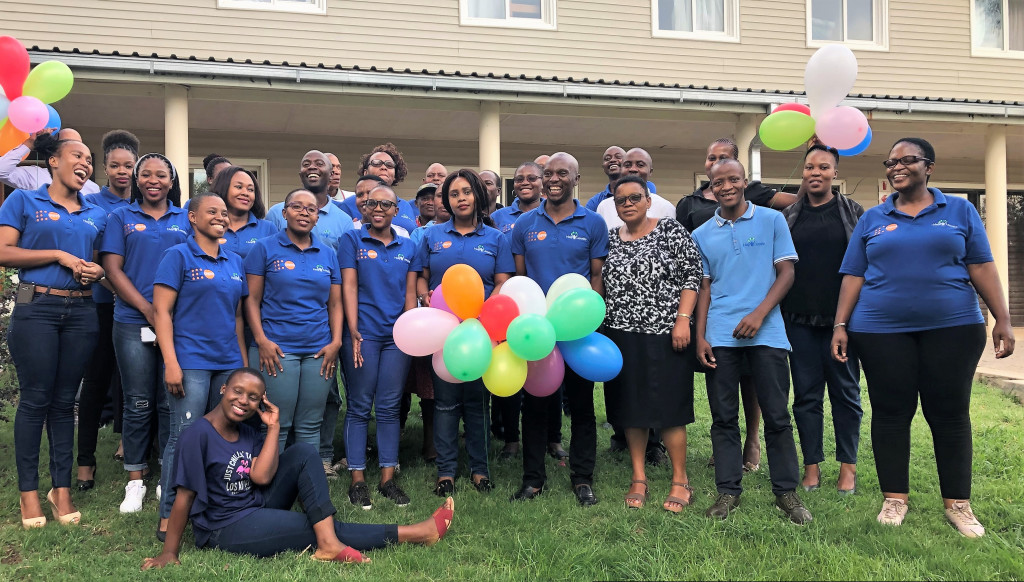
Then it was time to celebrate Help Lesotho’s 15th Anniversary. You may remember our celebration for the 5th Anniversary in huge style with a five-day visit to Canada from King Letsie III and a wonderful celebration in Lesotho. We celebrated our 10th Anniversary with a very special five-day visit to Canada by Queen Masenate and Princess Senate. This 15th Anniversary is modest due to cost constraints but celebrate it we did none-the-less and we will continue to do so throughout the year. It was fun to reminisce over the past years. In the past 15 years, 180,000 people have benefitted and 40,000 have graduated from our intensive programs. Hundreds of volunteers have helped us and thousands of donors have believed enough in our work to be faithful partners in its sustainability.
The staff did a beautiful song and dance for me and made a VERY special book. Each staff wrote a page – the whole occasion was emotional for us all. I was brought to tears several times. I feel overwhelmed at the love and passion our staff and beneficiaries have for Help Lesotho – it is a gift beyond my wildest dreams.
We had a huge cake and lots of hugs.
On my flight here from Johannesburg, I sat beside the Deputy Minister of Health, ‘M’e Pholheli. We had a marvelous visit and she promised to come to the Centre. As those who follow me on Twitter know, she came on Friday and brought the head of health for Adolescent Girls, ‘M’e Nkuatsana. High rates of early and forced child marriage, gender-based violence, infant and maternal mortality and HIV transmission among this population are at critical proportions. They have huge responsibilities. They were both truly interested and supportive in learning more about our Young Mothers Program.
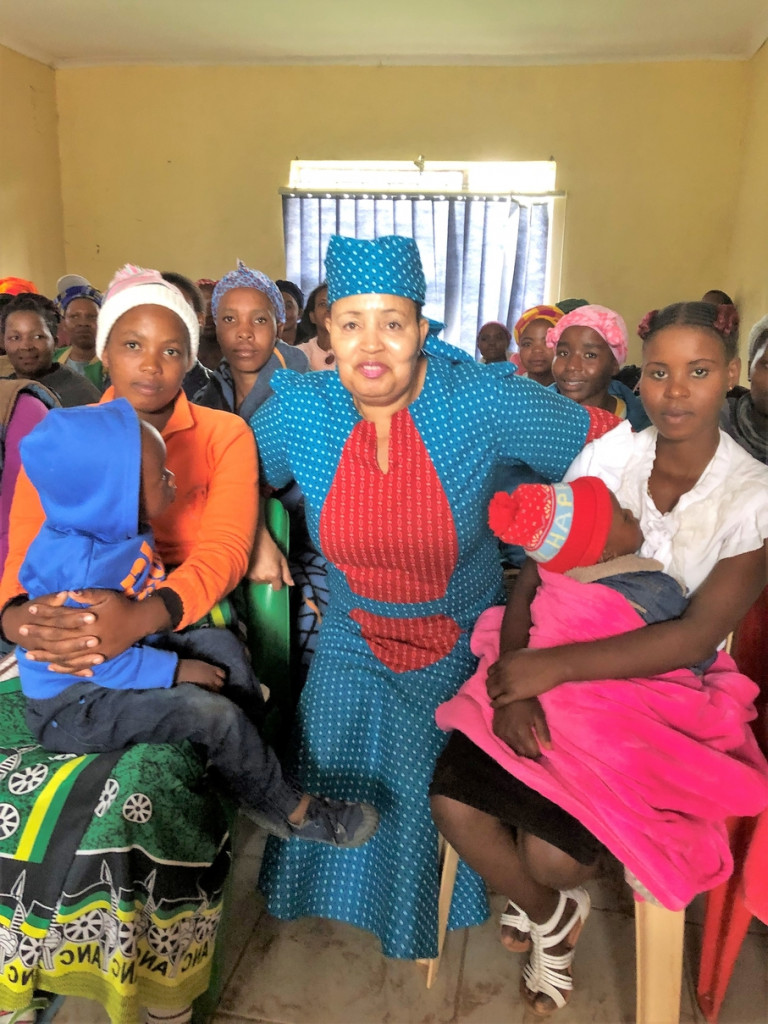
After touring the Centre, we drove north about 90 minutes on rugged dirt roads to visit one of our young mother groups. These girls are remote and vulnerable.
They are so young! It was lovely to see how clean the babies were and how attentive these young mothers were to them. I counted about 42 girls in the tiny room loaned to the program by the local council.
One young girl was so motivated by the program that she reached beyond her painfully shy personality to start a netball team of other young girls as a forum to share information she learned at Help Lesotho trainings, as a way to empower others who are not lucky enough to be in the program to face their challenges and make healthy decisions. Her team has had several competitions and benefit from the exercise. She was clear that the sexual reproductive health information enabled her to seek services and make informed decisions.
On Saturday mornings, there are mostly boys at the Centre – scores of them. This Saturday was a good example. I counted 40-45 boys, which is the norm. There were exciting games and Valentine Crafts. The little girls are home working: cleaning, washing, sweeping since dawn, so few girls can come. After lunch, the girls start arriving, clearly tired from their chores and so hoping they have not missed everything while the boys played.
Please stay warm and know that you are making a huge difference in the lives of so many people.
Another year begins and another sojourn in Lesotho. You might be surprised to know that this is Letter #119 from Lesotho! I find that incredible. For those who are new to these, I write letters only when in Lesotho to share my experiences and observations, our impact and challenges.
The Help Lesotho office and large leadership centre is stationed 90 minutes north-east of the only city in the country, the capital of Maseru, where the land begins to rise toward the mountains. From this location, we are able to reach tens of thousands of people in rural and isolated areas.
This is the view looking toward the mountains from where I stay as I wake and as I sleep.
I have been here for a week. Our amazing part-time CFO, Lesley Griffiths, was here when I arrived, ensuring our accountability standards and processes are where we need them to be. She has now returned to Canada. The Aeroplan miles you donate are used for such trips. Thank you for those.
I went to get my groceries yesterday. The predictable crowd was there sitting on the hot concrete anguishing in the blazing sun all day, waiting in hope that a relative abroad, one with a job, had sent a transfer through the money market – something to allow them to buy groceries too.
As I sat to write, I watched an old woman walk past in the field. She had a faded, thick and heavy beige blanket on in this 28-degree weather. Peeking out of the top of the blanket on her back was the head of a child, perhaps a year old. The stoop of her shoulders cradled the child’s body. On the woman’s head was a large basket brimming with supplies. By the care with which she walked, I imagined that it contained something important or necessary but heavy. My heart reached out to her – a visual symbol of burden. I don’t know how far she had to walk but, given her direction, it would be quite a way. The weight of the blankets, the basket and the toddler seemed overbearing. While I cannot know the emotional burdens she carried as well, I can well imagine. She is one of the reasons we are here – to lift those burdens in as many ways as we can.
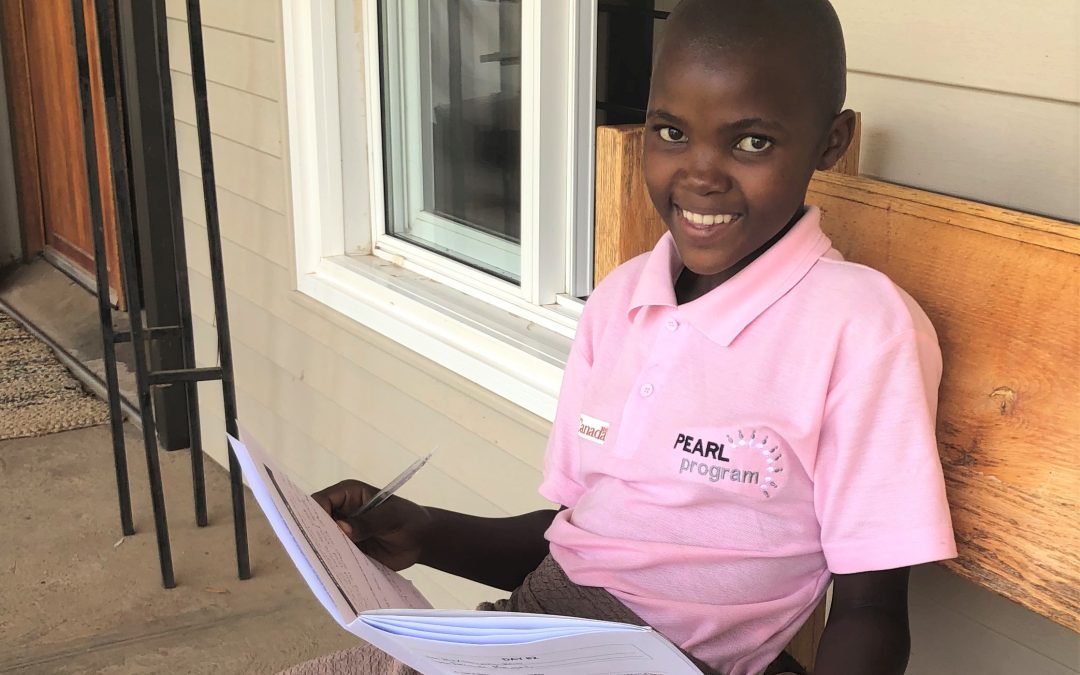
This weekend was a training at the Centre for our Pearl Program. Many of you generously purchase our Pearls4Girls jewelry (https://www.pearls4girls.org ) – well, this is one of the programs those purchases support. The girls are in grade seven (the last year of primary school) and grade eight (first year of high school). They learn about their bodies, how to protect themselves, grief and loss, how to communicate, study skills and topics adolescent girls need – self-esteem, sexual and reproductive health, goal-setting, etc. I joined them for a day – they are just adorable and so keen. We have 162 girls in the program this year and are grateful to the Canadian Fund for Local Initiatives from the High Commission in Pretoria who provided funding to extend the program beyond one year.
For years now, various organizations have wanted to learn our facilitation and program methods and strategies. We have developed a new social enterprise to address this, called CHANGE4ce. This allows us to train others to facilitate these deeply emotional and integrated topics. Those who are ‘local’ in southern Africa can come to our two and a half-month Leadership-in-Training Program and receive specialized training. Next week our first three organizations are sending people: Bountiful Hope Foundation and the Mennonite Central Committee are each sending one staff from other parts of Lesotho; Sawubona, from north-east of Pretoria, is sending three.
Thank you for reading, for caring and for walking this journey with me. Over the next couple of months, I will be hosting 24-25 international guests, visiting programs up in the mountains, listening deeply to our impact and the need and working on new programs and initiatives.
Leadership Camp provides psychosocial support, discussion and life skills training on key challenges facing these teenagers.
Camp is a unique break from the incredible pressures in their lives. It allows them time and support to experience new ideas and coping strategies in an atmosphere of trust and respect. Trained Help Lesotho interns act as local role models in leadership roles. The reiterative nature of the content allows these experiences to be deeply processed and applied to their lives. All content stressed the value of HIV prevention, treatment and testing and gender equity. All campers have a chance to test on site.
Watch Palesa attend training sessions at camp:
For those who are lucky enough to return year-after-year, they build friendships and continuity of support. Participants are expected to share what they learn with their schools and families when they return to their home, schools and communities.
All these campers are Help Lesotho’s sponsored children and their lives are changing. Watch as Palesa interviews our campers.
The Child Sponsorship Program is a combination of financial support for formal education and psychosocial support to help children grow up. Funding school fees demonstrates to each child that someone knows who they are, believes in them and will support them so they are no longer alone. Students are accountable to Help Lesotho to work hard, and they are also able to access greater support when challenges arise.
Help Lesotho’s Child Sponsorship Program matches sponsors with students who are unable to pursue their high school education. Sponsors are encouraged to commit to sponsorship for the duration of their sponsored child’s high school education (5-6 years).
Give a child in Lesotho a chance at a better future.
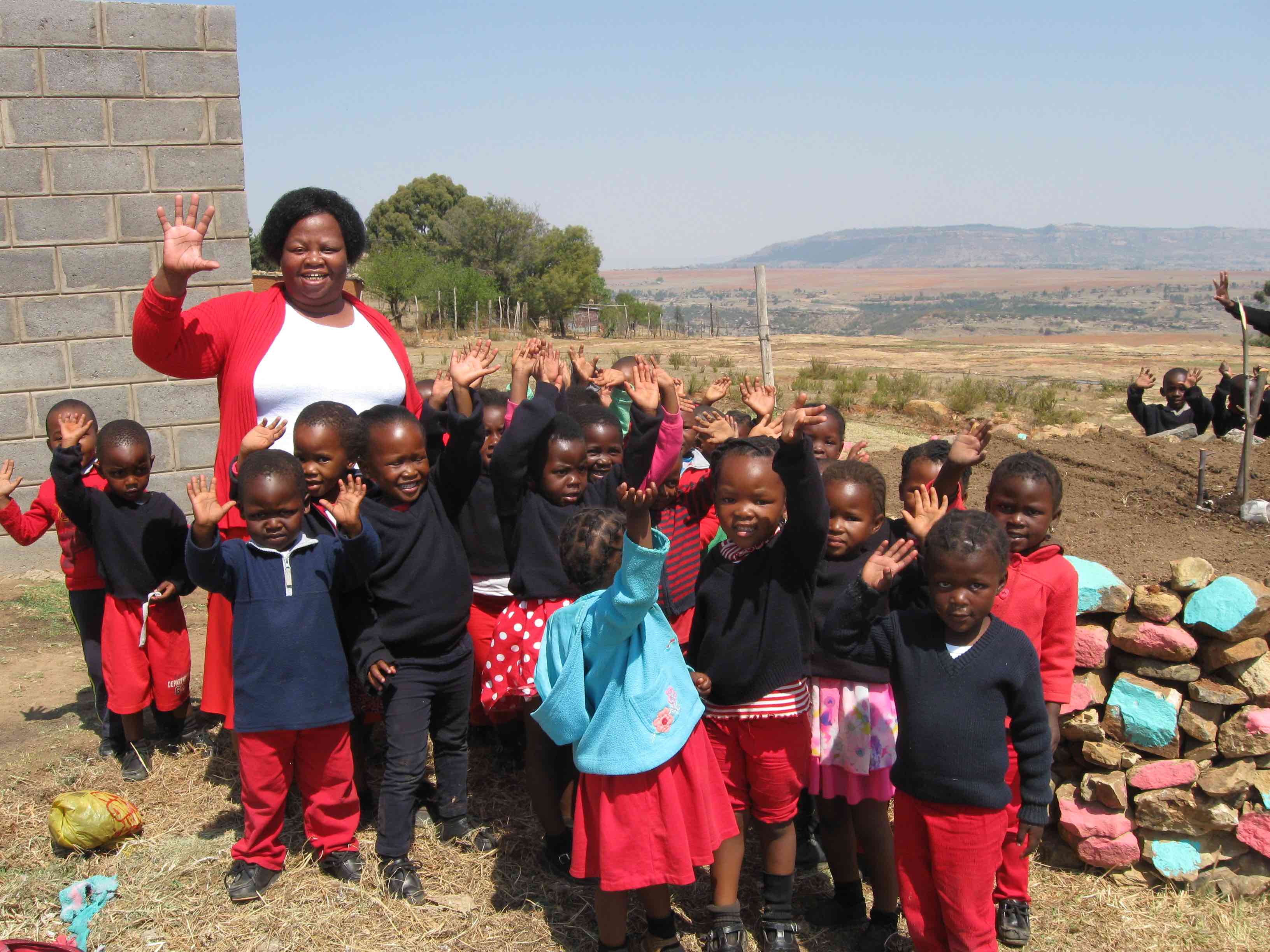
Imagine this: 50 preschoolers running around, blowing bubbles, covered in sticky glue, eating snacks – and the giggles – oh the giggles! Chaos or pure joy?
Our Basotho staff see it as a privilege to educate the next generation of the cutest Basotho.
Help Lesotho’s Preschool Literary Program enhances the early literacy experiences for children from underprivileged preschools who might otherwise enter elementary school unprepared and unmotivated to learn.
Preschools with the most need are selected from the areas surrounding Help Lesotho’s two centres in Hlotse and Pitseng.
Throughout the duration of the program, each preschool is visited bi-weekly by Help Lesotho staff who facilitate literacy activities, such as story time and alphabet songs with the tiny students. After school hours, the preschool teachers attend teacher training workshops.
Currently, three classes of preschoolers, totalling 150, and their teachers from Hlotse, Lesotho are enrolled in Help Lesotho’s Preschool Literacy Program.
Teacher Training
The Preschool Teacher Training Workshops increase preschool teachers’ confidence and skills on teaching early literacy. Among the topics covered with preschool teachers are: The Importance of a Teacher; Early Literacy; Creative Learning Activities and Different Learning Styles for Students.
These sessions are eye opening for the teachers. They report that the workshops raised their self-esteem, because they realized their efforts are crucial to the cognitive development of their students. They valued learning about that importance of teaching and disciplining students with love instead of anger is necessary to support the healthy development of children. The preschool teachers leave the workshops feeling inspired and ready to change the lives of their students.
Help Lesotho Preschool Literacy Program supervisor, Thato Letsela, says, “The program assists teachers with the skills necessary to educate preschoolers. Many of the teachers have limited education, so this program is vital to their experience.”
The preschool teachers are given resources to assist their classrooms, such as story books, teaching aids and crayons. They were taught about using lesson plans and teaching modules. The teachers say they use their Help Lesotho resources with pride.
Preschool Day
The Preschool Program culminates with a special Preschool Day visit to Help Lesotho’s Centres.
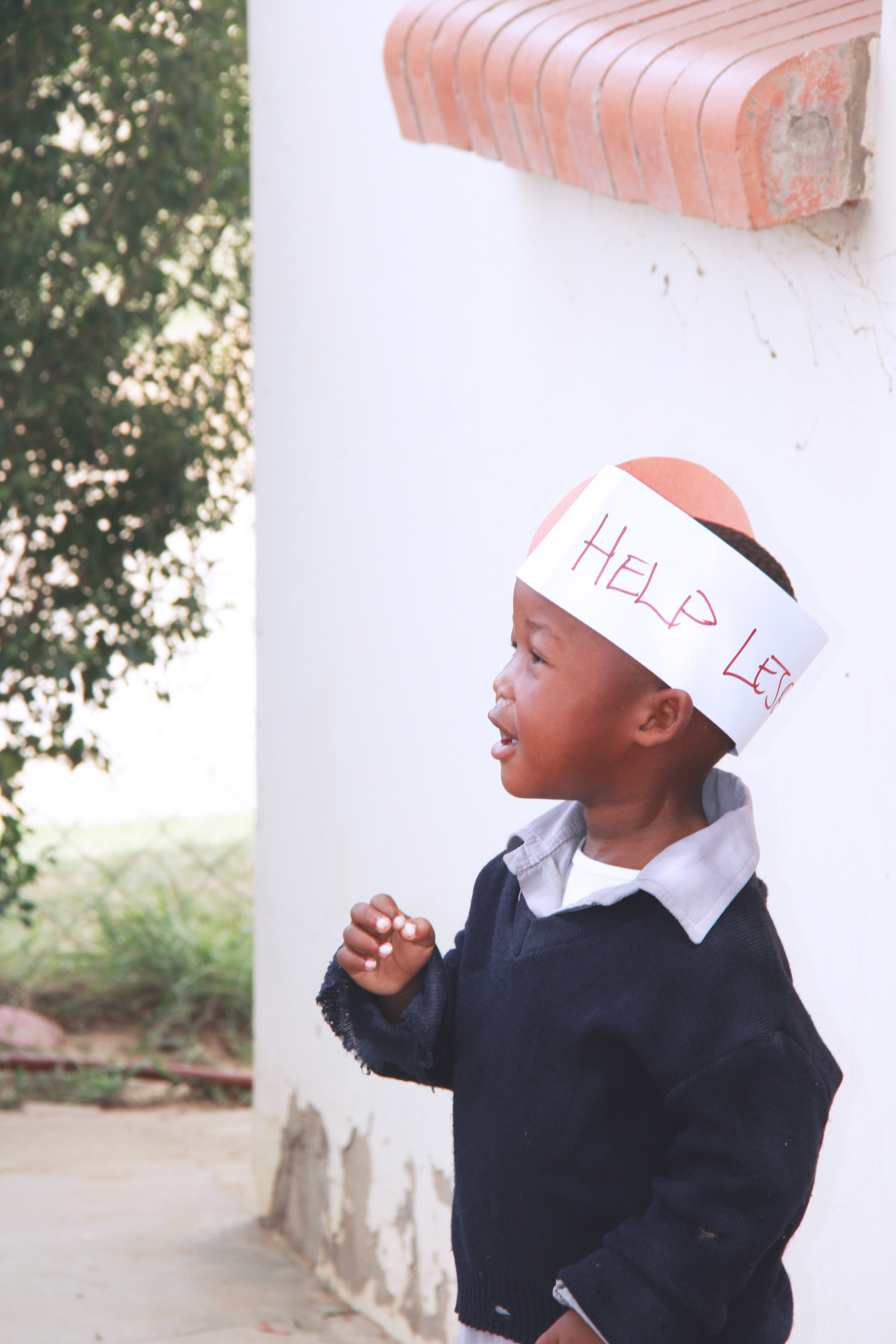
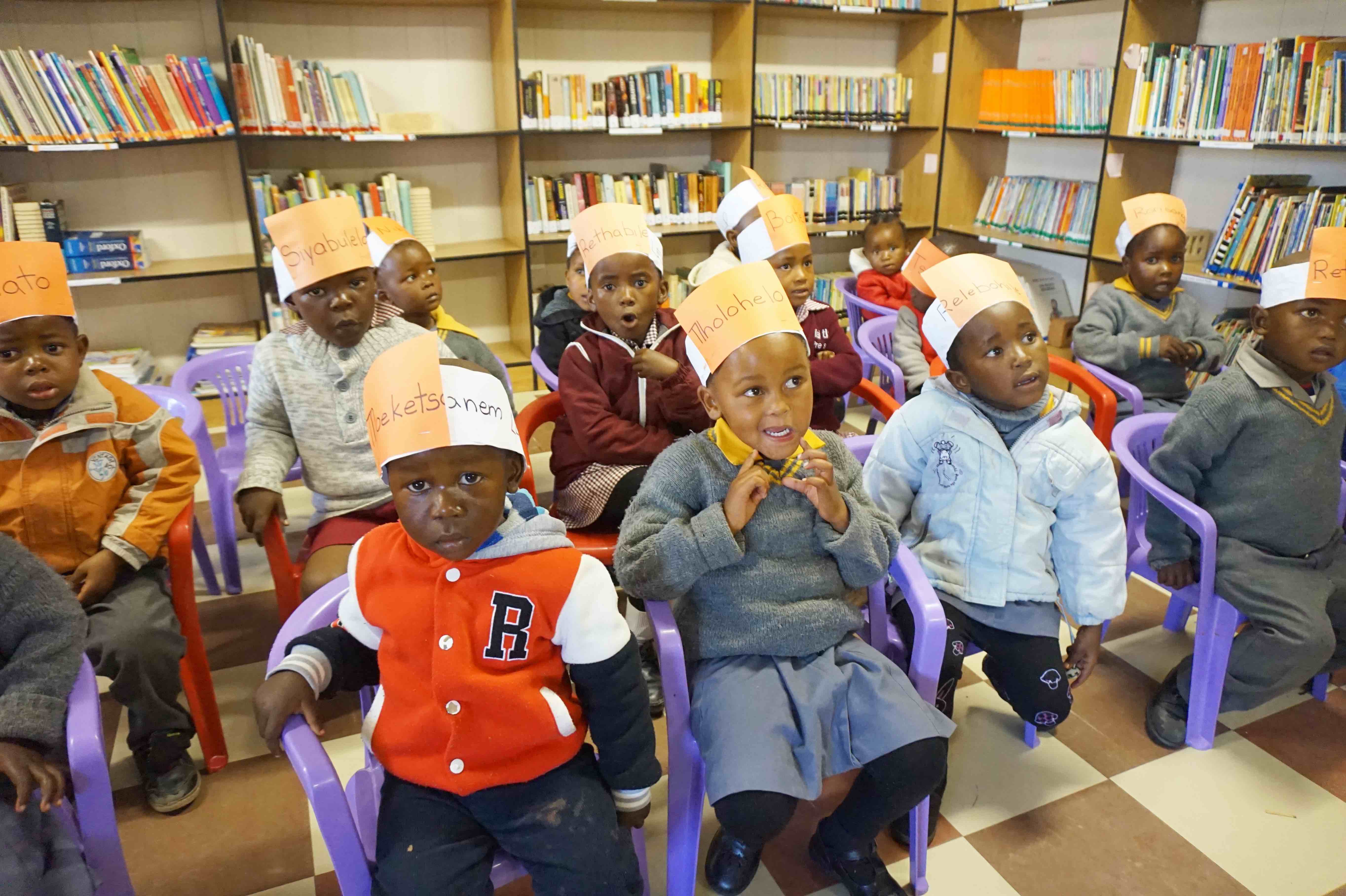
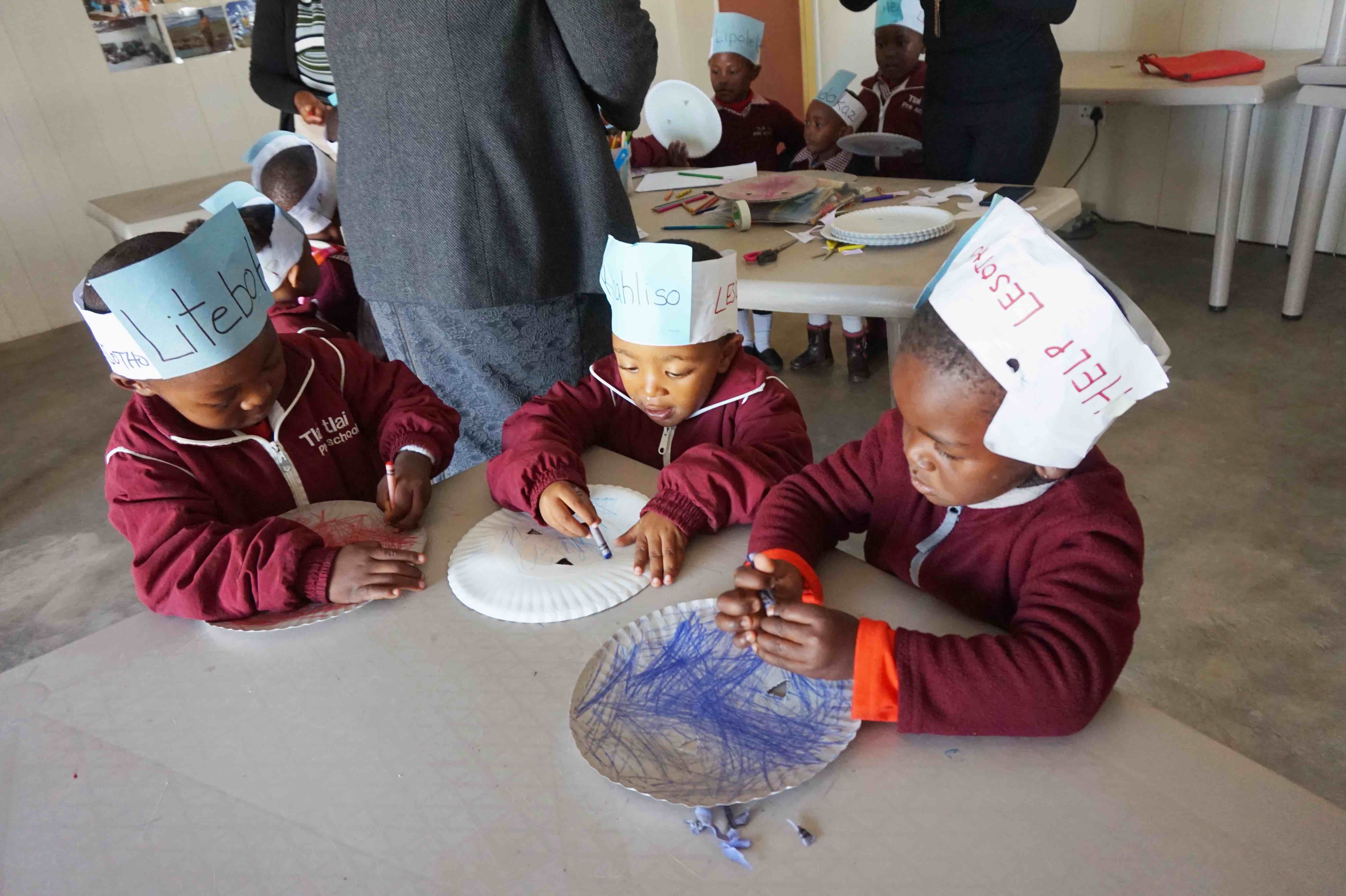
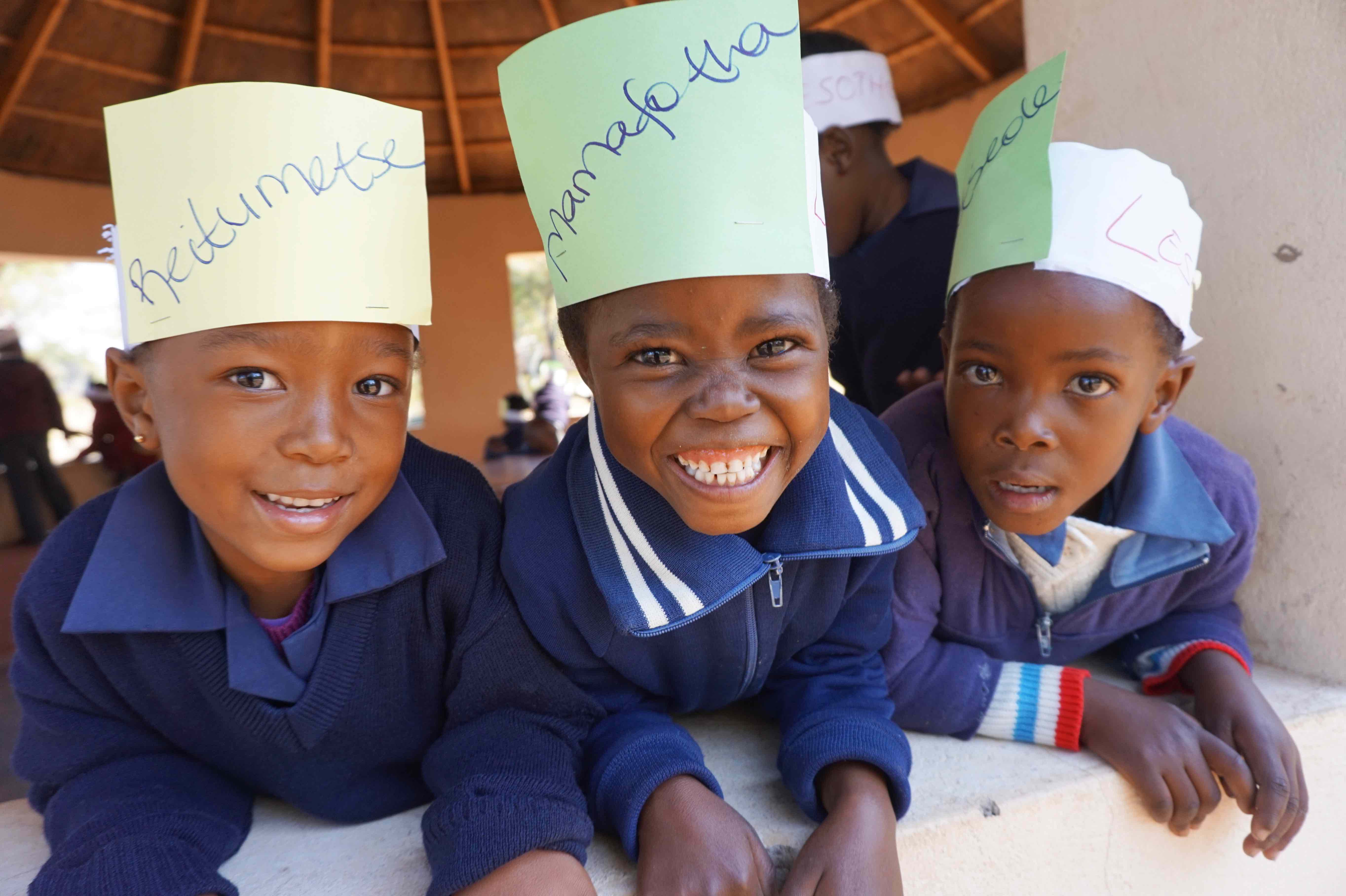
The preschoolers are warmly welcomed by Help Lesotho staff with lively songs and games, then they make each student a hat with their name written across the front (writing their own name is a skill the preschool teachers are encouraged to practice with their pupils prior to the visit).
While at the centre, the children participate in a variety of interesting and fun literacy-based games and activities.
These little ones sing songs, play games, make crafts, learn about themselves, including simple life skills such as where they live, the five senses, body parts, and are introduced to books (because most preschoolers have never held a book before).
By fostering a love of reading in a non-reading culture, the program will have a lasting impact on these youngsters through exposure to books, improving their literacy skills and will set them up for success in elementary school.
The preschoolers are encouraged to continue visiting the Centre with their parents and siblings, which increases Help Lesotho’s reach in the community to teach life-saving HIV prevention, life skills and promote gender equity.
Preschool Program visit days put a smile on everyone’s faces at Help Lesotho’s Centres because they know this program is inspiring the next generation of Basotho leaders.
Have you ever wondered what it’s like to attend one of our Leadership Camps? This week, Ausi Palesa is at camp and she’s going to give us the full story on what’s like to be a Help Lesotho camper. Today, Ausi Palesa plays a games with the campers! Laughter, cheers and competitive energy fill the grounds at Help Lesotho’s Seotlong Centre.
The children at camp are sponsored through Help Lesotho Child Sponsorship Program. This program is the only option for these rural children to continue going to school and achieve their dream of being educated. who otherwise could not attend high school because of the prohibitive fees. The majority of sponsored children are girls due to their increased vulnerability to poverty and HIV/AIDS.
Sponsorship provides school fees, uniforms, shoes, toiletries, psychosocial support, etc and a five day Leadership Camp to learn life-saving education on HIV prevention, gender equity, sexual reproductive health, leadership development and much more!
Check back tomorrow to learn about the life-changing sessions the campers attend throughout camp!
Sign up to sponsor a child and your Basotho son or daughter could be at camp next year
The Mountain Kingdom of Lesotho is magnificent and the people are beautiful, but young people face so many obstacles that few can surmount the challenges to stay in school and become the leaders their country so urgently needs.
Primary schooling up to Grade 7 has been free in Lesotho since 2000. It was only in May 2010 that attendance at primary school was made compulsory.
Obstacles faced by Children in Lesotho
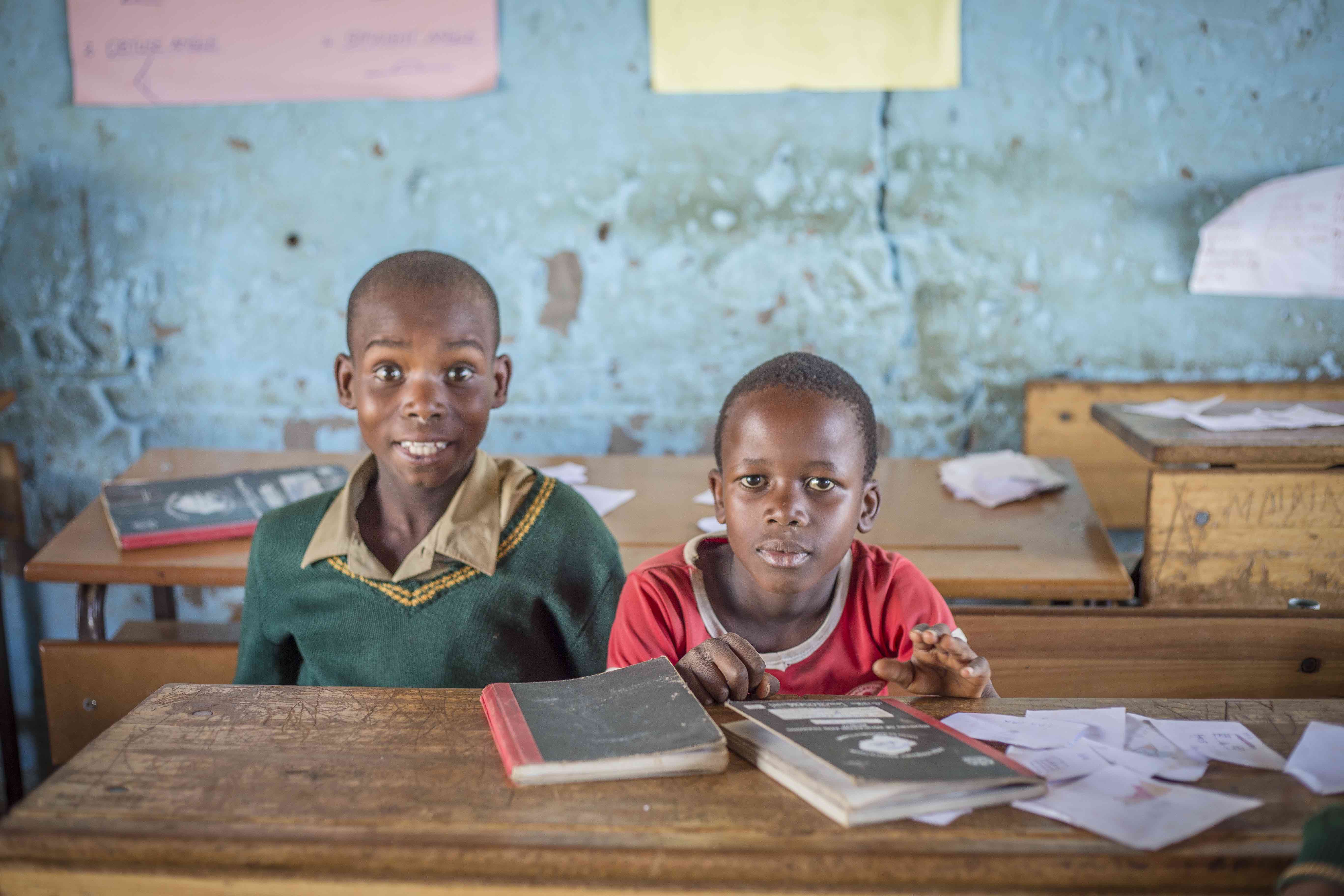
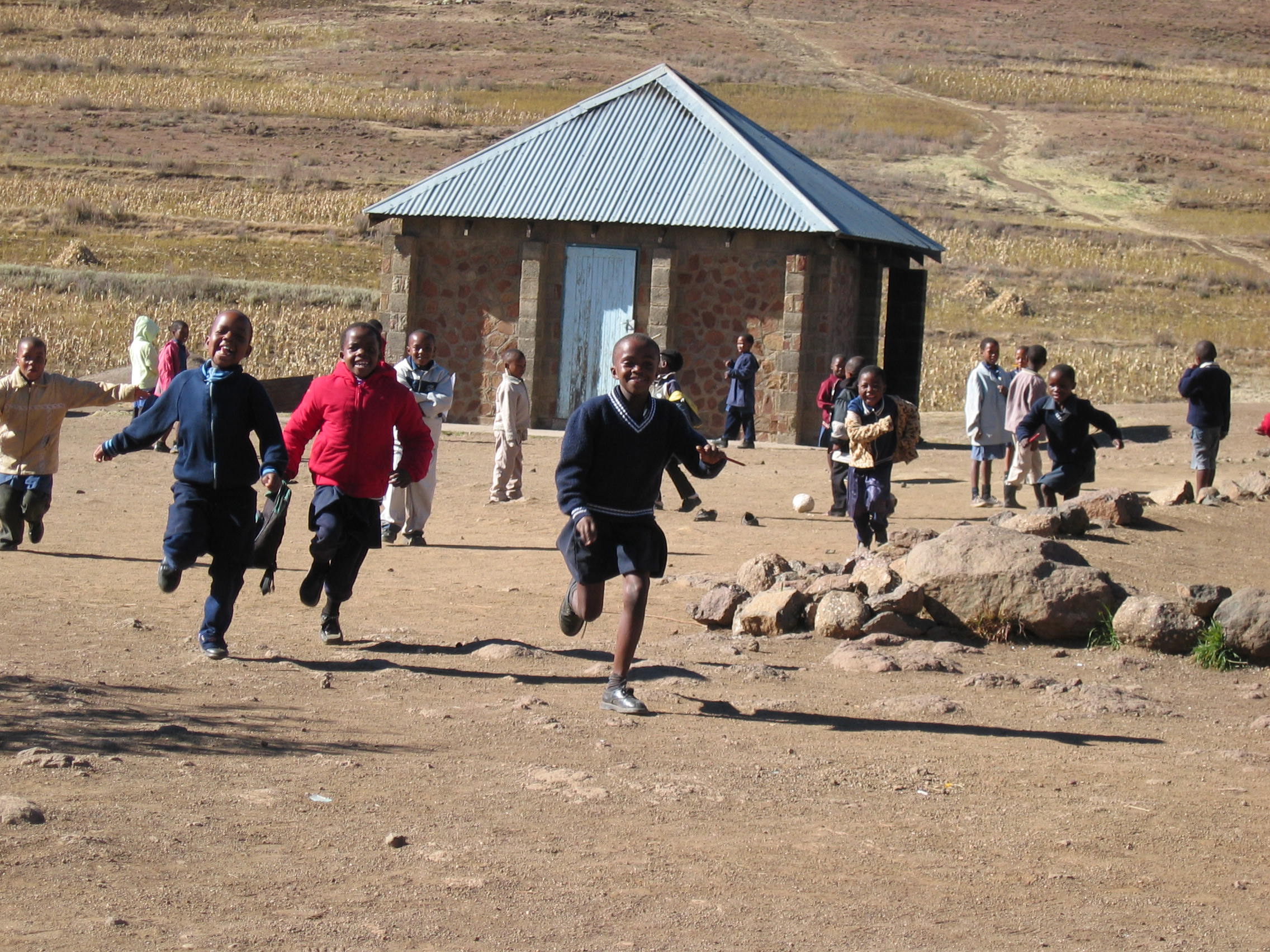
Despite free education up until Grade 7, children struggle to stay in school. Many have to walk two hours to school each way, arrive at school hungry and are unable to concentrate. They show up without proper uniforms, coats or shoes required to stay warm and healthy.
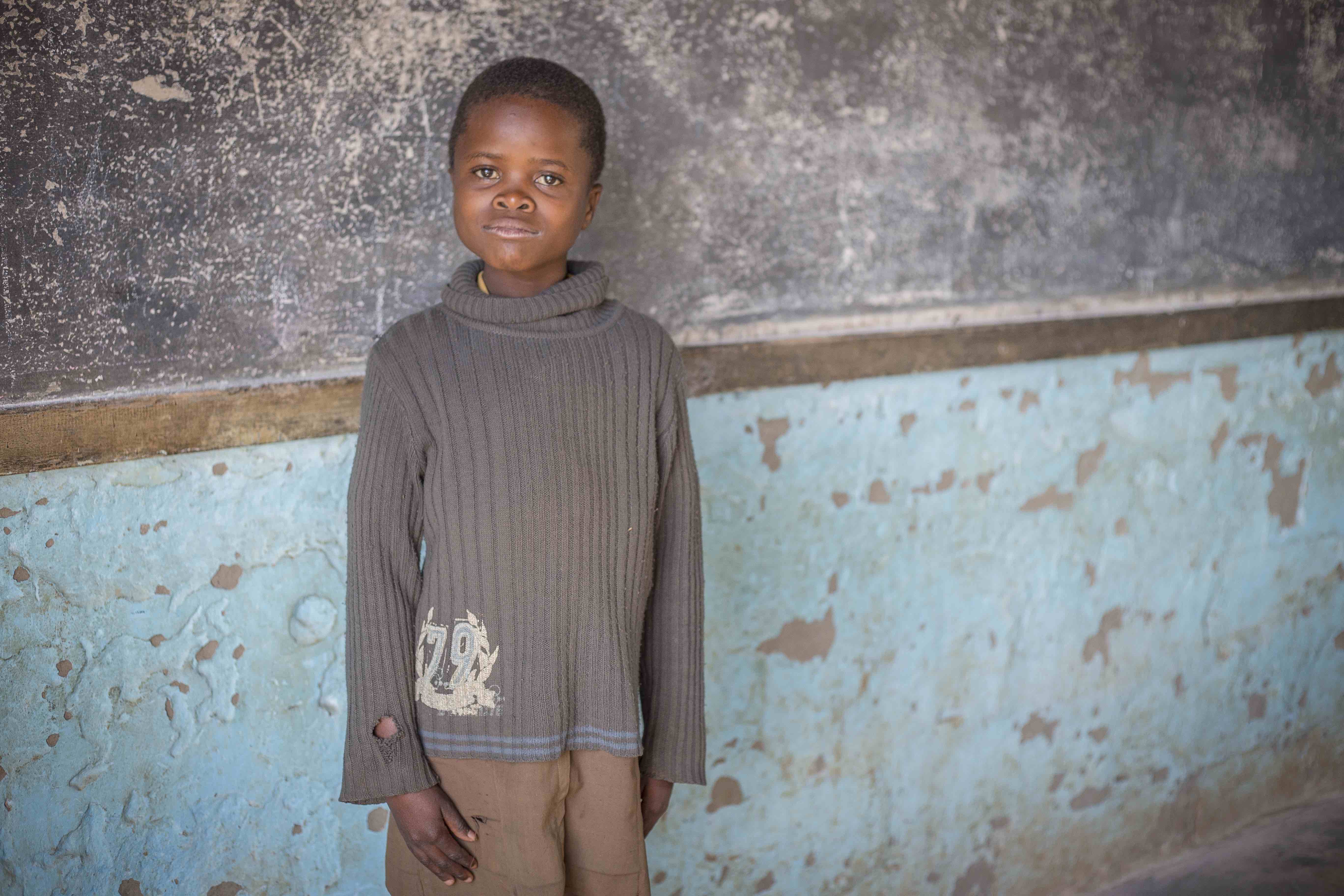
Children often wear thread-bare hand-me-down uniforms to school, and sit shivering in their poorly maintained classrooms. The lack of resources to maintain the infrastructure leaves poorer school classrooms often dilapidated with caved in roofs, broken windows, no heat and no desks.
In addition, school pit latrines (toilets) are often full and must be emptied or replaced, and without proper toilet facilities many girls will not come to school due to a lack of privacy.
Obstacles faced by Schools in Lesotho
Teachers also struggle in Lesotho. They have limited resources to work with, receive inadequate salaries, teach in overcrowded classrooms (sometimes up to 100 students per teacher) and at night they return to horrible housing conditions, where they must board away from their families, while teaching in rural locations.
Many teachers do not have the training to properly educate the children, and as a result the children suffer the consequences of a poor education.
When children reach high school, their families begin paying school fees which are prohibitive. You can imagine a family’s priority might not be sending their children to school when they can’t even afford to keep food on the table.
As a result, only 20 per cent of youth in Lesotho are able to attend to high school because of the costs involved, which forces children to sit at home or work informal labour jobs.
Often children are sent out to work in order to cover household expenses. Boys are sent to the fields to herd livestock, while girls work as domestics or take on more of their family’s household chores and responsibilities, so their caregivers can seek work.
Some children come from homes where a parent, sibling or relative is sick with HIV/AIDS and as a result, most children and youth must look after sick people. Other children belong to child-headed households, where most often their parents have passed away due to complications from HIV/AIDS.
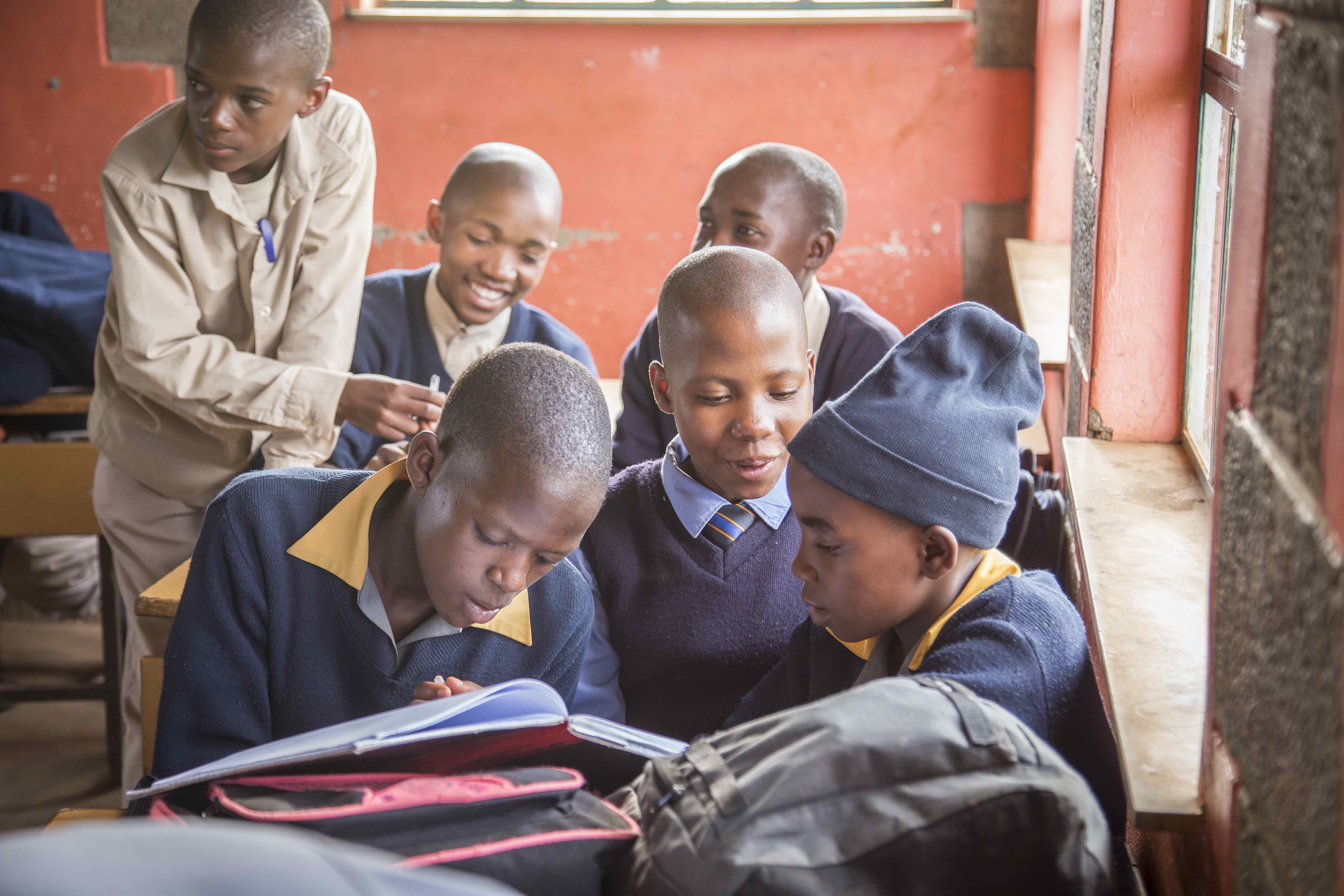
Currently, Help Lesotho works with 17 partner schools in Lesotho (11 primary and 6 high schools) all of whom are in desperate need of support. Partner schools are chosen on the basis of leadership and commitment to providing children with the safest and most effective learning environments and strategies.
These schools are then partnered with 17 schools across Canada who provide support financially, but also friendship through project exchanges and other cross-cultural, relationship-building activities.
Thousands of Basotho children and youth have benefited from such support as classroom construction and repairs, uniforms and shoes, classroom supplies, textbooks, rain barrels, blankets and toothbrushes.
For many Basotho students, the friendship and tangible support they receive from their Canadian friends reminds them that they have not been forgotten. While providing financial aid in the form of desks, books and uniforms is critical, it is the restoration of hope for a brighter future that makes the biggest difference.
Another program Help Lesotho created to help youth reap the benefits of an education is the Child Sponsorship Program.
The program supports children in rural communities who are often double-orphans and have no other source of funds to pay the prohibitive high school fees needed after Grade 7.
The program is the only option for many of these children to continue going to school and achieve their dream of being educated and having a bright future.
The majority of sponsored children are girls due to their increased vulnerability to poverty and HIV/AIDS.
The Child Sponsorship Program is a combination of financial support for formal education and psychosocial support to help children grow up and become a leader, despite the odds stacked against them.
The children who are sponsored are held accountable to Help Lesotho to work hard and achieve good grades, receive life skills and gender equity training and are expected to act as leaders in schools, through regular visits with Help Lesotho staff. The children are also able to access greater support when challenges arise from trained Help Lesotho staff members.
The individuals who sponsor each child not only provide a promising future through education, but they demonstrate to each child that someone knows who they are, believes in them and will support them.
The children no longer feel alone, and children who are supported, thrive.
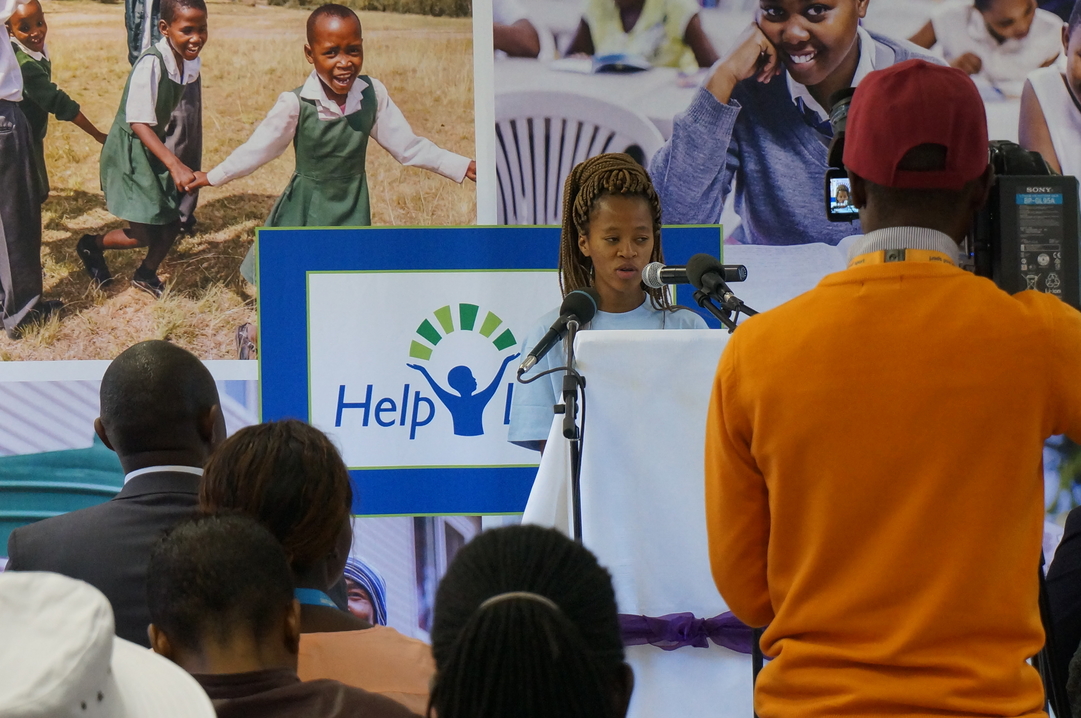
In 2017, one of Help Lesotho’s alumni delivered a compelling speech in honour of the International Day of the Girl. Felleng’s words are a powerful reminder about the need to end child marriage if Lesotho’s girls will have a chance at a brighter future.
As young girls and women, we face many different challenges. We are vulnerable in all aspects and are treated as worthless. Today is the International Day of the Girl. This day exists because the world needs to pay attention to the injustices that prevent girls from reaching their potential. While today we shout from the top of our lungs against child and forced marriage, we hope to be heard and not just heard but we hope to see action taken against child marriage. So many girls do not get to have their voices heard. They suffer in silence as victims in their families and relationships. Today I am speaking for the girls who do not get to be here today because they are being held like hostages as wives.
Our culture allows – and even encourages – child and forced marriage. This practice has deep traditional connections BUT things can change! We are girls of new generation. The practice of early and forced marriage was created by people, and they can undo it.
Why should we be given away to old men, with no respect for our bodies, our lives, and our futures?
Parents seem to think that daughters will bring their families shame, particularly if one was to fall pregnant before marriage. But is the worry of this shame worth destroying a daughter’s life?
Because most of us come from very poor families, our parents see us as a source of their wealth. The temptation of the lobola is difficult to resist, even though it only yields a temporary gain for most families. When will it be time to prioritize the wellbeing of girl children, instead of trading them for such small benefits.
Each girl who is forced to marry is a victim. As victims our lives are miserable, we cry day in day out. We are being abused physically, emotionally and mentally. We are young. Not only young in age, but some of us are tiny, our bodies are too immature to carry another human being when we become pregnant against our wishes.
Human beings are intelligent. We know the difference between right and wrong. We have the power to make changes and improvements. The evidence is clear that child marriage is harmful, not only to girls, but to entire communities.
How much longer shall we young girls be tortured for doing no wrong but just for being girls?
Where are the laws to protect us?
Why are they only written in documents and not implemented?
Why are we never involved in decisions that affect us most?
There should be nothing for us without us, and may you who hear us help us, may our grievances be heard and touch the souls of those with power and authority to help us. I call on each person in Lesotho to fight against child marriage.
Let us empower girls to live as children, not as wives.